
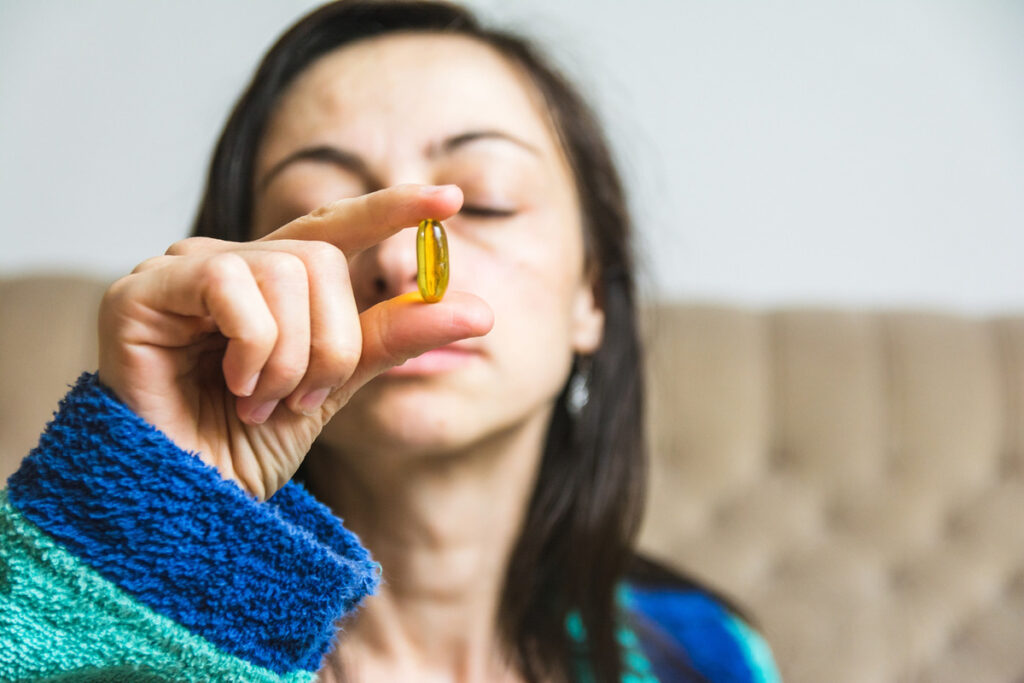
Vitamin D tinnitus is a concept gaining attention as researchers investigate whether low vitamin D levels may influence the onset or severity of ringing in the ears.
Tinnitus, the perception of sound without an external source, affects millions of people worldwide.
Its causes are varied, ranging from hearing loss and noise exposure to neurological and vascular issues.

Vitamin D, a fat-soluble vitamin essential for bone health, immunity, and neurological function, may also play a role in ear health.
This article explores the relationship between vitamin D status and tinnitus, the science behind it, and strategies that may help those affected.
Vitamin D Tinnitus
Vitamin D is primarily obtained from sun exposure, dietary sources such as fatty fish and fortified foods, and supplements.
It plays a crucial role in calcium metabolism, immune regulation, and neuromuscular function.
In recent years, researchers have begun examining whether vitamin D deficiency could be linked to auditory conditions including tinnitus.
A study found that patients with tinnitus had significantly lower levels of vitamin D compared to healthy controls.
These findings suggest that inadequate vitamin D may be one of the risk factors influencing the onset of tinnitus.
Although more research is needed, the association highlights the importance of considering nutrient status in ear health.
The Role of Vitamin D in Ear and Neurological Health
Vitamin D has multiple functions that may influence auditory pathways and inner ear function.
It regulates calcium homeostasis, which is vital for neurotransmission and proper nerve signaling.
A deficiency in vitamin D can lead to impaired calcium absorption, disrupting the delicate balance required for auditory nerve function.
Vitamin D also plays a role in modulating inflammatory responses.
Chronic inflammation has been linked to vascular dysfunction and neural damage, both of which can contribute to tinnitus.
Additionally, vitamin D receptors are present in brain regions associated with auditory processing.
This indicates that the vitamin may directly influence how the brain interprets auditory signals.
By supporting vascular health and neuroprotection, sufficient vitamin D levels may help maintain auditory stability.
Can Vitamin D Deficiency Contribute to Tinnitus?
Several studies suggest a possible connection between vitamin D deficiency and tinnitus.
Research reported that correcting vitamin D deficiency improved tinnitus symptoms in some patients.
Another study highlighted that patients with chronic tinnitus often showed lower serum vitamin D levels than individuals without tinnitus.
The mechanisms are not yet fully understood but may include compromised blood flow to the cochlea, increased oxidative stress, and impaired nerve signaling.
Low vitamin D may also exacerbate bone-related conditions such as otosclerosis, which can cause or worsen tinnitus.
Although these studies are promising, they are mostly observational and require further controlled trials to establish causality.
The Potential of Vitamin D Supplementation for Tinnitus Relief
Vitamin D supplementation has been proposed as a supportive strategy for individuals with tinnitus linked to deficiency.
Restoring optimal vitamin D levels may improve inner ear circulation, reduce inflammation, and support healthy nerve function.
In some small trials, supplementation improved not only tinnitus severity but also associated symptoms such as anxiety and poor sleep.
However, supplementation is not a guaranteed solution and should not replace other evidence-based tinnitus management approaches.
The effectiveness of supplementation may depend on the underlying cause of tinnitus and an individual’s baseline vitamin D status.
It is important to consult a healthcare provider before starting supplementation, as excessive vitamin D can cause adverse effects such as kidney stones and hypercalcemia.
Nonetheless, for those with confirmed deficiency, supplementation remains a low-cost, low-risk intervention worth considering.
Other Nutrients and Lifestyle Factors That Influence Tinnitus
While vitamin D may play a role, tinnitus is multifactorial and influenced by various lifestyle and nutritional factors.
Vitamin B12 deficiency has been linked to tinnitus and hearing problems in some individuals.
Magnesium is another important nutrient, as it supports auditory function and protects against noise-induced hearing damage.
Antioxidants such as vitamin C, vitamin E, and coenzyme Q10 may help reduce oxidative stress in auditory pathways.
Lifestyle practices also matter greatly.
Chronic stress, poor sleep, and high caffeine intake can exacerbate tinnitus.
Exposure to loud noise remains one of the strongest risk factors and should be minimized whenever possible.
Exercise, balanced nutrition, and adequate hydration can help reduce the burden of tinnitus and improve overall health.
Natural Support for Tinnitus Relief
In addition to addressing potential vitamin D deficiency, many individuals benefit from natural supplements formulated specifically for tinnitus relief.
Neuro Quiet is one such option, designed to support auditory health and reduce the perception of ringing in the ears.
It combines nutrients and plant-based extracts with antioxidant, anti-inflammatory, and neuroprotective properties.
By promoting circulation, supporting neurotransmitter balance, and reducing oxidative stress, Neuro Quiet offers a holistic approach to managing tinnitus symptoms.
Its sublingual spray format allows for rapid absorption and ease of use.
Women in perimenopause, individuals with high stress levels, or those experiencing nutrient deficiencies may find it particularly beneficial.
When used alongside healthy nutrition, sound therapy, and medical guidance, Neuro Quiet may help provide relief and improve quality of life.
Take Action Toward Better Ear Health
If you are struggling with tinnitus and suspect nutrient deficiencies such as low vitamin D, it is worth exploring dietary adjustments and supplementation under medical supervision.
While research continues to uncover the exact link between vitamin D and tinnitus, maintaining optimal nutrient status is an important step for overall wellness.
Neuro Quiet offers a natural way to support ear health and ease tinnitus discomfort.
To know more about this product and how it may fit into your daily routine, visit this page.