
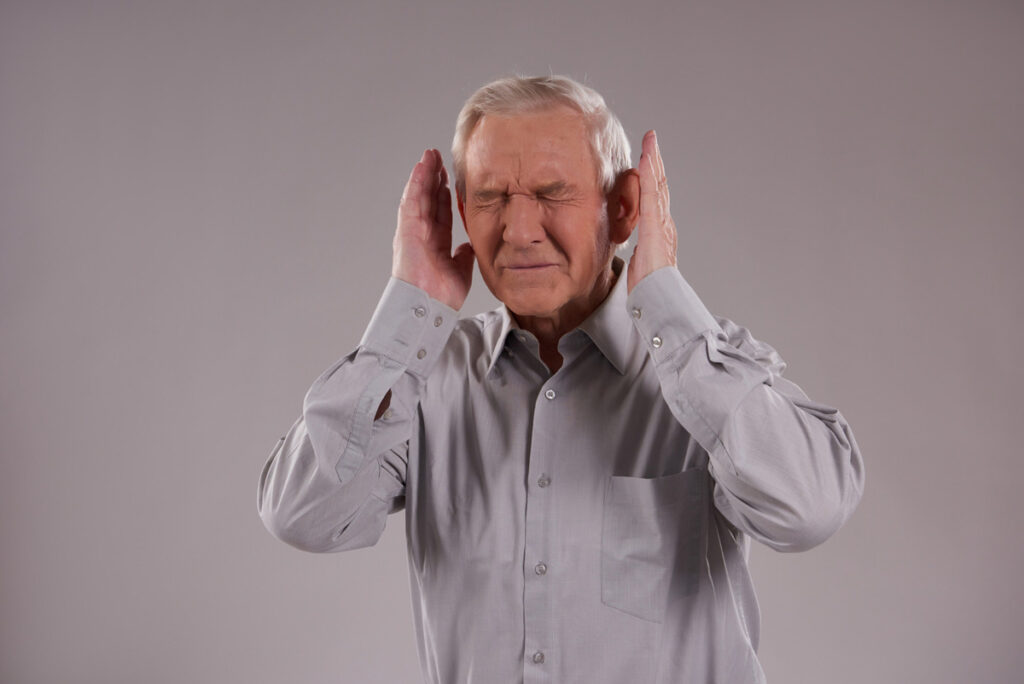
Vertigo secondary to tinnitus is a condition that can deeply affect daily life, combining the challenges of constant ear ringing with dizziness and balance issues.
Tinnitus refers to the perception of sound without an external source, while vertigo is a sensation of spinning or loss of balance.
When these two conditions occur together, the impact can be physically and emotionally overwhelming.

Understanding the connection between tinnitus and vertigo is crucial to identifying underlying causes and exploring strategies for relief.
Vertigo Secondary to Tinnitus
The inner ear is responsible for both hearing and balance, which explains why tinnitus and vertigo often occur simultaneously.
The cochlea manages sound perception, while the vestibular system controls balance and spatial orientation.
Disruptions in one system can spill over into the other, creating a cycle of auditory and balance disturbances.
For individuals experiencing vertigo secondary to tinnitus, even simple activities like walking or standing can feel difficult.
This combination not only increases the risk of falls but also amplifies anxiety, stress, and fatigue.
Recognizing this dual presentation is the first step toward effective management.
How Tinnitus Can Lead to Vertigo
Tinnitus may contribute to vertigo through multiple pathways.
Altered blood flow in the inner ear can affect both hearing and balance functions.
Inflammation or nerve irritation in the auditory pathways can disrupt communication between the ear and brain.
Shared neural circuits between auditory and vestibular nerves mean that dysfunction in one area may influence the other.
Additionally, the stress and sleep disruption caused by chronic tinnitus can make the brain more sensitive to balance disturbances.
Some researchers also point to muscular tension in the neck and jaw, which can indirectly influence vestibular stability.
In these ways, tinnitus can act as both a trigger and an amplifier for vertigo symptoms.
Common Causes and Risk Factors
Several conditions can explain why tinnitus and vertigo occur together.
Ménière’s disease is one of the most well-known, characterized by episodes of hearing loss, tinnitus, ear fullness, and vertigo.
Ear infections or labyrinthitis may inflame the inner ear and create simultaneous ringing and balance issues.
Circulatory problems that reduce blood flow to the inner ear can impair both auditory and vestibular functions.
Migraine-associated vertigo can also be accompanied by tinnitus, with neurological disruptions affecting both systems.
Certain medications, including ototoxic drugs, may damage the inner ear and lead to combined symptoms.
High stress levels, poor sleep, and chronic health conditions like hypertension or thyroid dysfunction further increase the risk.
Exposure to loud noises or head injuries can also be significant contributors.
Identifying these causes is essential for guiding appropriate treatment.
Symptoms to Watch For
When tinnitus and vertigo occur together, symptoms often extend beyond ear ringing and dizziness.
Hearing loss may gradually accompany tinnitus, particularly in conditions like Ménière’s disease.
Some individuals report pulsatile tinnitus, where sounds seem to beat in rhythm with the heartbeat.
Vertigo episodes may be associated with nausea, vomiting, and severe imbalance.
Disorientation and difficulty focusing are common during combined episodes.
Frequent falls or unsteadiness increase the risk of injury.
Emotional symptoms such as anxiety, irritability, and depression often arise from the persistent challenges of coping with both conditions.
Recognizing this cluster of symptoms helps in seeking medical attention sooner.
Coping and Treatment Strategies
Managing vertigo secondary to tinnitus requires a multifaceted approach.
Sound therapy can help mask tinnitus and reduce its interference with concentration and sleep.
Vestibular rehabilitation therapy, guided by a physical therapist, uses specific exercises to retrain balance and reduce vertigo episodes.
Lifestyle adjustments like reducing salt and caffeine intake can help stabilize inner ear fluid levels.
Stress management techniques such as meditation, yoga, and controlled breathing lower cortisol and reduce symptom intensity.
Maintaining good sleep hygiene is essential to decrease both tinnitus perception and vertigo frequency.
Hearing aids or sound generators may be beneficial for those with hearing loss and tinnitus.
Medical interventions may include medications for dizziness, anti-inflammatories, or, in severe cases, surgical options.
Working with specialists such as audiologists and neurologists ensures a tailored treatment plan.
Natural Support for Ear Health and Balance
For those seeking complementary approaches, natural supplements may help reduce tinnitus perception and support neurological balance.
Neuro Quiet is a supplement designed to promote auditory health, reduce ear ringing, and support relaxation.
Its natural formulation includes nutrients and plant extracts with antioxidant, anti-inflammatory, and neuroprotective properties.
These compounds work to improve microcirculation in the inner ear, reduce oxidative stress, and stabilize neurotransmitter activity.
The sublingual spray format ensures quick absorption and convenience.
By addressing both auditory and neurological factors, Neuro Quiet may offer relief for individuals experiencing vertigo secondary to tinnitus.
When combined with lifestyle strategies and medical guidance, it provides additional support for managing daily challenges.
Take Action Toward Relief
Living with vertigo secondary to tinnitus can feel overwhelming, but there are solutions that support both ear health and balance.
Neuro Quiet offers a natural option for those seeking to ease tinnitus symptoms and regain stability in their daily lives.
To know more about this product and how it may help you, visit this page.