
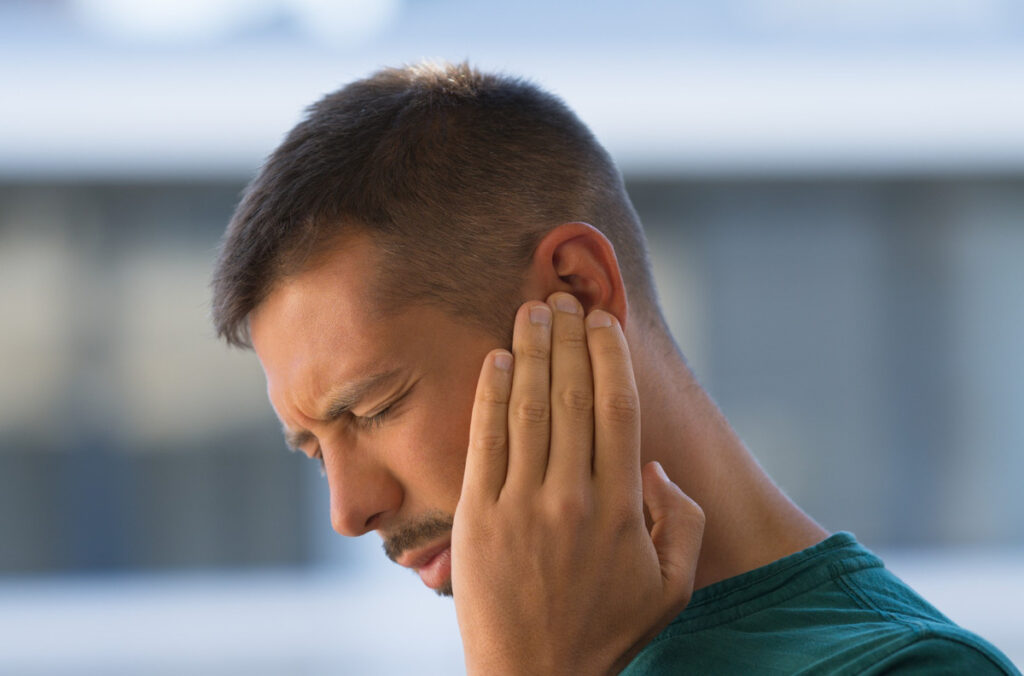
Tinnitus after car accident is a common but often overlooked consequence of trauma that can significantly affect quality of life.
Many survivors report ringing, buzzing, or hissing in the ears following a collision, sometimes immediately and other times days later.
Understanding the causes, related symptoms, and treatment options is crucial to address this condition effectively.

Tinnitus After Car Accident
Tinnitus refers to the perception of sound in the absence of an external source.
A car accident can trigger tinnitus through several mechanisms, including direct damage to the auditory system, traumatic brain injury, or cervical strain.
The sudden force of impact may damage delicate structures of the inner ear, disrupt blood flow, or irritate auditory nerves.
In some cases, the psychological stress of the accident itself can exacerbate tinnitus symptoms.
Unlike temporary ringing after loud noise exposure, post-traumatic tinnitus may persist and interfere with daily life.
How Trauma From a Car Accident Can Cause Tinnitus
Whiplash injuries are a leading cause of tinnitus after a car accident.
The rapid back-and-forth motion can strain cervical muscles and joints, which are closely linked to auditory pathways.
Head trauma or concussion can disrupt neural connections between the ear and brain, leading to distorted auditory signals.
Direct ear injury, such as a ruptured eardrum, can create immediate tinnitus symptoms.
Altered blood flow or vascular changes following trauma may also contribute to phantom sounds in the ear.
Even without visible injuries, microtrauma to inner ear structures can cause long-term tinnitus.
Common Symptoms That Accompany Post-Accident Tinnitus
Post-traumatic tinnitus is rarely an isolated symptom.
Headaches and migraines are common companions after a collision.
Dizziness and balance issues may indicate damage to the vestibular system.
Neck pain and stiffness are typical signs of whiplash-related injuries.
Hearing loss, either temporary or permanent, may occur alongside tinnitus.
Cognitive difficulties such as poor concentration and memory lapses are often reported after traumatic brain injury.
Emotional symptoms like anxiety, irritability, and sleep disturbances can further intensify tinnitus perception.
Recognizing this cluster of symptoms helps guide appropriate treatment.
When to Seek Medical Attention
It is critical to seek medical evaluation if tinnitus develops after a car accident.
Even if symptoms seem mild, underlying injuries may be serious.
Audiological tests can determine whether hearing loss is present.
Neurological exams can identify signs of concussion or nerve damage.
Imaging tests may be ordered to assess structural damage in the head and neck.
Prompt diagnosis improves the chances of managing tinnitus effectively and preventing further complications.
Delaying care may lead to worsening symptoms and reduced quality of life.
Treatment Options for Tinnitus After a Car Accident
Treatment begins with addressing the underlying cause.
If whiplash is involved, physical therapy can help restore mobility and reduce tension that may aggravate tinnitus.
Medications such as anti-inflammatories or muscle relaxants may provide short-term relief.
For individuals with hearing loss, hearing aids with tinnitus masking features can be beneficial.
Sound therapy, which uses background noise or specialized devices, helps reduce the perception of ringing.
Cognitive behavioral therapy (CBT) has shown promise in lowering tinnitus-related distress.
In some cases, vestibular rehabilitation therapy is recommended for those experiencing balance problems.
Lifestyle Strategies to Manage Tinnitus Symptoms
Beyond medical treatment, lifestyle changes play an important role in managing tinnitus after a car accident.
Maintaining a regular sleep schedule supports neurological recovery.
Stress management techniques like meditation, yoga, and breathing exercises can reduce the intensity of tinnitus.
Avoiding caffeine, nicotine, and alcohol helps minimize auditory irritation.
Protecting ears from loud environments prevents further hearing damage.
Engaging in regular physical activity improves circulation and overall resilience.
Adopting a nutrient-rich diet with antioxidants and omega-3s supports brain and ear health.
These strategies, combined with professional care, can significantly improve coping.
Natural Support for Tinnitus Recovery
Some individuals benefit from natural supplementation to complement their medical treatment.
Neuro Quiet is a natural supplement designed to support auditory health and reduce the perception of tinnitus.
Its formulation combines nutrients and botanical extracts with antioxidant, anti-inflammatory, and neuroprotective properties.
By improving circulation, calming neural activity, and reducing oxidative stress, Neuro Quiet helps manage post-traumatic tinnitus.
The sublingual spray format ensures fast absorption and ease of use.
It is especially helpful for those who also experience sleep disturbances or heightened stress following a car accident.
Integrating Neuro Quiet into a broader recovery plan can provide meaningful relief.
Regain Control After Tinnitus From Trauma
Tinnitus after car accident can be disruptive, but it does not have to define your recovery journey.
With proper diagnosis, treatment, lifestyle adjustments, and natural support, relief is possible.
Neuro Quiet offers a complementary approach to reduce tinnitus intensity and improve well-being.
To know more about this product and how it may support your recovery, visit this page.