
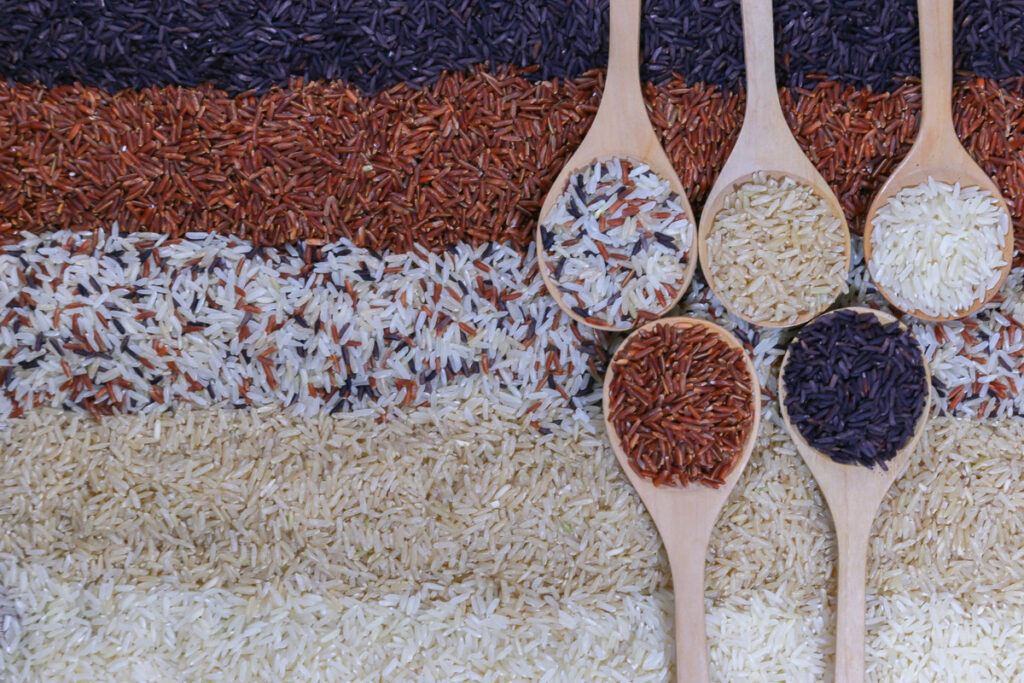
Rice alternatives for diabetics have become a popular topic among those aiming to control blood sugar while enjoying satisfying meals.
White rice, though a staple in many cuisines, has a high glycemic index and can cause rapid spikes in blood glucose levels.
For people with diabetes or prediabetes, finding nutritious substitutes that deliver similar texture and flavor is essential for maintaining metabolic balance.

Fortunately, several grains and low-carb options can replace rice without compromising taste or nutrition.
Rice Alternatives for Diabetics
White rice ranks high on the glycemic index because it is stripped of its bran and fiber during processing.
This means it digests quickly and releases glucose rapidly into the bloodstream.
Such spikes in blood sugar can strain insulin function and make diabetes management more challenging.
Replacing white rice with high-fiber, low-glycemic alternatives helps slow digestion and promote steady energy levels.
These substitutes also provide additional nutrients that support cardiovascular health and weight management.
By exploring different grains, vegetables, and legumes, people with diabetes can create delicious meals that align with their health goals.
Quinoa: A Protein-Packed Pseudograin
Quinoa is one of the best rice alternatives for diabetics due to its nutrient density and low glycemic impact.
It is technically a seed but cooks and tastes like a grain.
Quinoa is rich in protein, containing all nine essential amino acids, and provides a significant amount of dietary fiber.
These nutrients help regulate digestion and prevent post-meal glucose spikes.
It also contains magnesium, iron, and antioxidants that support overall metabolic health.
Because quinoa is gluten-free and easy to prepare, it is a versatile addition to salads, stir-fries, and grain bowls.
Replacing rice with quinoa can make meals more filling and support long-term glycemic control.
Barley: A Fiber-Rich Choice for Stable Glucose
Barley stands out for its exceptionally high content of soluble fiber, especially beta-glucan.
This fiber slows carbohydrate absorption, leading to gradual rises in blood sugar instead of sharp spikes.
Barley also promotes healthy cholesterol levels and supports gut microbiome balance.
Pearled barley is the most common variety, but choosing hulled barley preserves more nutrients.
Including barley in soups, stews, or as a side dish can provide a hearty texture and keep blood sugar steady.
Its mild, nutty flavor complements both savory and sweet dishes, making it an easy replacement for rice in diabetic-friendly diets.
Cauliflower Rice: A Low-Carb, Nutrient-Dense Substitute
Cauliflower rice is an excellent low-carbohydrate substitute for traditional rice.
Made by grating or processing cauliflower florets into small, rice-like pieces, it delivers the same texture with a fraction of the carbs and calories.
Cauliflower is rich in vitamin C, vitamin K, and antioxidants that reduce inflammation and support immune function.
It also contains fiber, which helps with digestion and satiety.
Because it is non-starchy, cauliflower rice causes minimal impact on blood sugar levels.
It can be sautéed, steamed, or even used in sushi and fried rice recipes.
This versatile option is ideal for anyone managing diabetes or aiming to lose weight while maintaining balanced meals.
Brown Rice and Wild Rice: Better Options in Moderation
For those who prefer to keep rice in their diet, brown and wild rice are better options than white rice.
Brown rice retains its bran layer, which provides fiber, vitamins, and minerals.
This extra fiber slows digestion and helps prevent rapid glucose fluctuations.
Wild rice, technically a grass, has a nutty flavor and higher protein content than white rice.
Both types offer antioxidants and micronutrients that support heart health and reduce oxidative stress.
However, portion control is crucial because even whole grains contain carbohydrates that can raise blood sugar.
Combining brown or wild rice with vegetables and lean protein helps balance the meal’s glycemic effect.
Other Smart Options: Bulgur, Farro, and Lentils
Several other grains and legumes can replace rice in diabetic-friendly meals.
Bulgur, made from cracked whole wheat, cooks quickly and has a low glycemic index.
It is rich in fiber and supports digestive health while providing long-lasting energy.
Farro, an ancient grain, offers complex carbohydrates, plant-based protein, and a chewy texture similar to rice.
Its combination of fiber and micronutrients helps stabilize blood sugar and reduce hunger.
Lentils, though technically legumes, make a hearty and nutritious alternative to rice.
They are loaded with fiber, folate, and iron while being low in fat and glycemic impact.
Cooking with these ingredients adds variety to the diet and supports better glucose regulation.
Tips for Adding Rice Alternatives to a Diabetic Diet
Transitioning from white rice to healthier options is easier with gradual changes and mindful preparation.
Start by substituting half of your rice portion with a low-glycemic alternative such as quinoa or cauliflower rice.
Experiment with cooking methods that preserve nutrients and avoid added sugars or excess oil.
Portion control remains vital, as even healthy grains contain carbohydrates.
Balancing meals with lean protein and healthy fats can further slow glucose absorption.
Incorporate herbs, spices, and lemon juice for flavor without increasing sodium.
Meal planning and consistent monitoring of blood sugar levels help assess which alternatives work best for your individual response.
Natural Support for Blood Sugar Management
In addition to dietary improvements, targeted supplementation can further support blood sugar control.
GlycoFortin is a natural liquid supplement formulated to promote healthy glucose metabolism and improve insulin sensitivity.
Its blend of herbal extracts — including guaraná, green tea, ginseng Panax, Gymnema Sylvestre, and grape seed extract — Rice alternatives for diabetics can help control glucose. Discover the best healthy grains and low-carb swaps for balanced meals.
works synergistically to stabilize energy levels and reduce sugar cravings.
GlycoFortin is designed to complement balanced meals and enhance metabolic efficiency.
It is non-GMO, free from synthetic stimulants, and manufactured in FDA-registered facilities following Good Manufacturing Practices (GMP).
Regular use may support stable blood sugar throughout the day while promoting vitality and focus.
Combining a whole-food diet rich in fiber and plant-based nutrients with GlycoFortin supplementation provides a comprehensive strategy for managing diabetes naturally.
Choose Smart Substitutes and Support Your Health Naturally
Selecting the right rice alternatives for diabetics is an effective step toward maintaining balanced glucose levels and long-term well-being.
Nutrient-dense substitutes like quinoa, barley, and cauliflower rice not only stabilize blood sugar but also add diversity to your meals.
For additional metabolic support, GlycoFortin offers a natural way to enhance energy, improve insulin response, and promote overall health.
To learn more about this product and how it fits into your wellness routine, visit the official GlycoFortin website.