
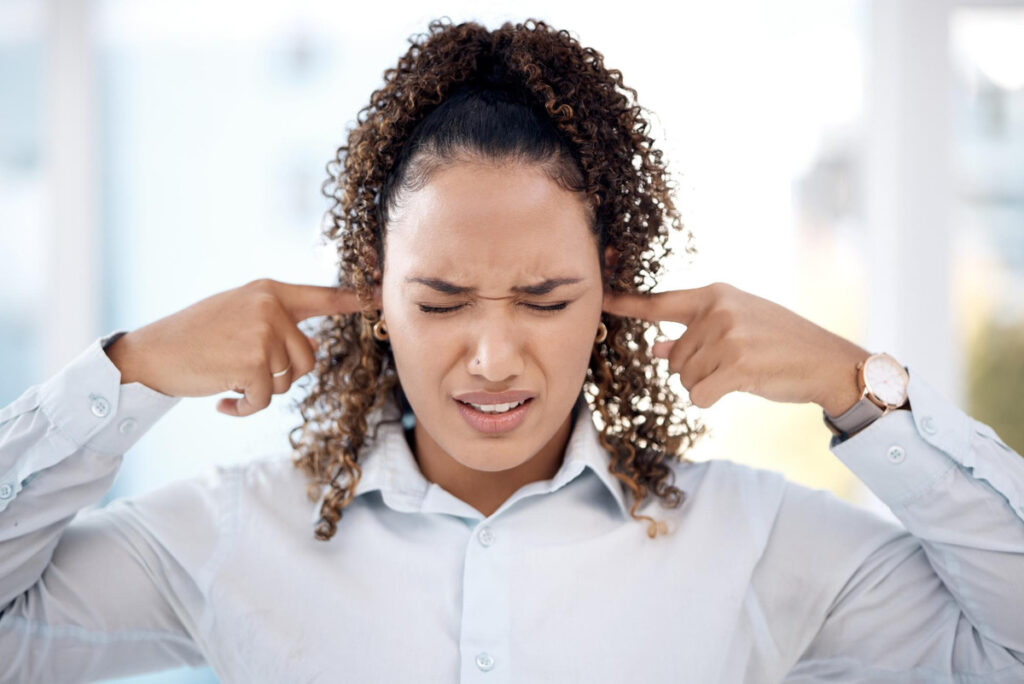
Psychometric emotional tests for tinnitus are essential tools that help clinicians and researchers assess how the condition affects emotional well-being and overall quality of life.
Tinnitus is not only a physical condition but also a psychological challenge, often linked to anxiety, stress, and depression.
Because the perception of constant ringing or buzzing in the ears can vary greatly among individuals, psychometric testing provides a standardized way to measure severity and emotional burden.

These tests allow healthcare providers to better understand the patient’s experience and design treatment strategies that address both physical and emotional aspects of tinnitus.
Psychometric Emotional Tests for Tinnitus
Psychometric emotional tests for tinnitus are structured questionnaires or scales designed to quantify the psychological and functional impact of ear ringing.
Unlike hearing tests, which measure auditory thresholds, psychometric assessments capture the subjective experience of tinnitus and how it interferes with daily life.
They are often used in both clinical and research settings to evaluate treatment outcomes and track changes in patient well-being.
By using these tools, healthcare professionals can identify the emotional distress associated with tinnitus and create a more personalized management plan.
Patients also benefit by gaining greater awareness of how tinnitus affects their mental and emotional state.
Commonly Used Tests to Assess Tinnitus Impact
Several psychometric instruments are widely used to measure the severity of tinnitus and its emotional effects.
The Tinnitus Handicap Inventory (THI) is one of the most popular tests, consisting of 25 questions that evaluate the functional, emotional, and catastrophic impact of tinnitus.
The Tinnitus Functional Index (TFI) is another validated tool that measures how tinnitus affects concentration, sleep, emotions, and quality of life.
The Hospital Anxiety and Depression Scale (HADS), though not specific to tinnitus, is often used to evaluate associated emotional conditions like anxiety and depression.
Other assessments, such as the Beck Depression Inventory (BDI) or the Visual Analog Scale (VAS) for tinnitus loudness, may also be applied in certain cases.
These tests are not diagnostic on their own but provide valuable insights into how tinnitus interacts with emotional and psychological health.
Why Emotional Testing Matters in Tinnitus Management
The emotional impact of tinnitus can be just as debilitating as the sound itself.
By using psychometric emotional tests, healthcare providers can determine whether tinnitus is causing significant distress that requires psychological support.
These evaluations help distinguish between mild annoyance and severe emotional impairment.
They also allow clinicians to measure treatment progress and adjust interventions based on changes in emotional scores.
For example, a patient whose tinnitus loudness remains stable but whose emotional scores improve may still consider treatment successful.
This holistic approach ensures that both the auditory and emotional dimensions of tinnitus are addressed.
The Connection Between Tinnitus, Anxiety, and Depression
Research consistently shows that tinnitus and emotional health are closely linked.
Chronic tinnitus can lead to heightened stress and increased cortisol levels, which may worsen the perception of ear ringing.
Anxiety often arises from the unpredictability of tinnitus symptoms, making individuals hyper-aware of the sound.
Depression may develop when the constant noise interferes with sleep, concentration, and social activities.
In turn, emotional distress can intensify the severity of tinnitus, creating a vicious cycle.
Psychometric tests play a vital role in breaking this cycle by identifying the emotional components that need attention.
Once identified, patients can benefit from targeted interventions such as cognitive behavioral therapy (CBT), relaxation techniques, or support groups.
Complementary Approaches Beyond Psychometric Testing
While psychometric emotional tests are valuable, they are only the first step in managing tinnitus.
Cognitive behavioral therapy (CBT) helps reframe negative thoughts and reduce the emotional impact of tinnitus.
Mindfulness-based stress reduction (MBSR) encourages present-moment awareness and reduces anxiety associated with ear ringing.
Sound therapy, including the use of white noise machines or specialized hearing aids, helps mask tinnitus and improve focus.
Lifestyle changes, such as improving sleep hygiene, reducing caffeine and alcohol intake, and maintaining regular exercise, further support emotional and auditory health.
Integrating these approaches with psychometric testing creates a comprehensive management plan tailored to each individual’s needs.
Natural Support for Tinnitus Sufferers
In addition to clinical and behavioral strategies, natural supplementation can provide added support for individuals coping with tinnitus.
Neuro Quiet is a natural supplement designed to promote auditory health, reduce the perception of tinnitus, and support neurological balance.
Its formulation includes ingredients with antioxidant, anti-inflammatory, and neuroprotective properties that may help reduce oxidative stress and improve circulation in the auditory system.
Neuro Quiet also contributes to relaxation and better sleep quality, both of which are commonly disrupted by tinnitus.
For those whose psychometric emotional tests reveal significant distress, combining medical care with natural support may be especially beneficial.
Its spray format makes it easy to use and allows for efficient absorption.
By addressing both the physical and emotional components of tinnitus, Neuro Quiet provides a holistic approach to relief.
Take Control of Your Emotional and Auditory Health
Tinnitus can affect far more than hearing, often influencing emotional well-being and quality of life.
Psychometric emotional tests for tinnitus are valuable tools for identifying the extent of this impact and guiding treatment.
When combined with therapy, lifestyle changes, and targeted supplementation, they offer a path toward meaningful relief.
To know more about Neuro Quiet and how it can support your journey toward calmer ears and improved well-being, visit this page.