
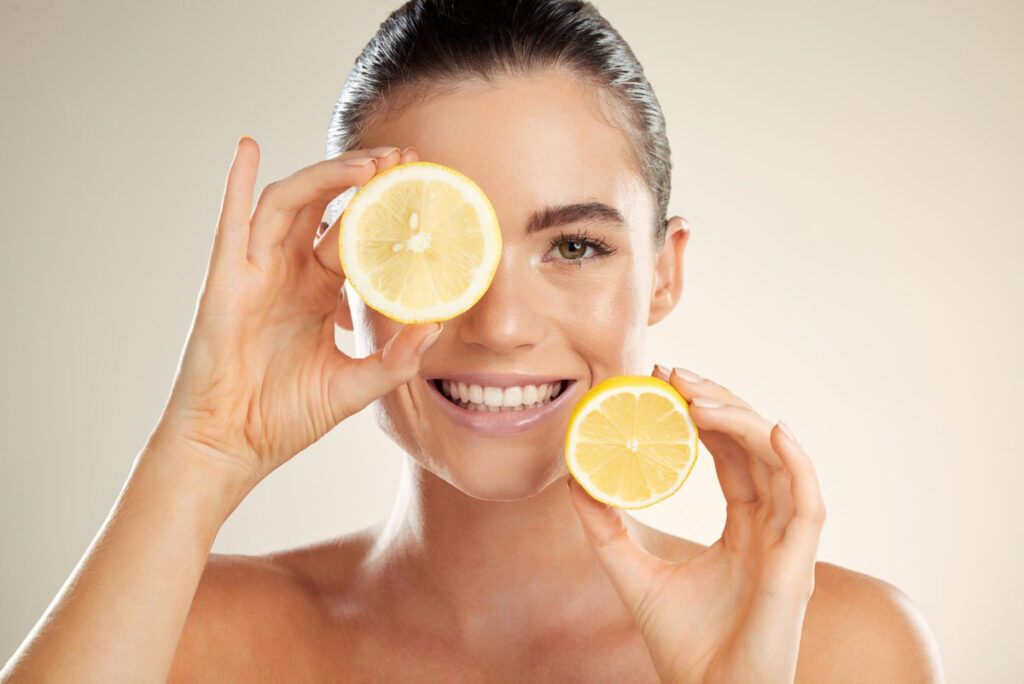
Limonene in skin care is a widely discussed ingredient due to its popularity in natural cosmetics and its dual profile as both a fragrant and potentially irritating compound.
Derived from citrus peels, limonene is often found in facial serums, creams, cleansers, and toners — particularly those labeled as natural or botanical.
While it adds a refreshing scent and offers certain functional benefits, its use is not without controversy, especially for individuals with sensitive or reactive skin.

In this article, we’ll examine what limonene does in skincare, its potential advantages and drawbacks, and how to use products containing this compound safely.
Limonene in Skin Care
Limonene in skin care refers to the use of a naturally occurring chemical found primarily in the rinds of citrus fruits like lemons, oranges, and limes.
It is most commonly used in cosmetics and personal care items as a fragrance component, offering a light, citrusy aroma that appeals to consumers looking for a clean and refreshing experience.
In addition to its scent, limonene can function as a solvent or penetration enhancer, helping other ingredients absorb more efficiently into the skin.
Despite being naturally derived, limonene is classified as a potential allergen due to its tendency to oxidize when exposed to air, forming compounds that may irritate the skin.
Its use is regulated in the EU and other regions, requiring proper labeling to alert consumers to possible allergic reactions.
What Does Limonene Do in Skincare Products?
Limonene serves multiple purposes in cosmetic formulations beyond its pleasant fragrance.
It can act as a natural solvent, helping to dissolve oily or waxy substances and improve the consistency of creams and serums.
Limonene may also function as a mild antimicrobial agent, although its efficacy in this regard is limited compared to other preservatives.
Some formulators use it to increase the bioavailability of active compounds by enhancing skin penetration.
However, this same property can make the skin more vulnerable to irritation if the formula is not well-balanced or if used in high concentrations.
Because of its volatility, limonene also contributes to the sensory feel of a product, providing a cooling or evaporative effect on application.
Potential Benefits of Limonene for the Skin
Limonene has demonstrated mild antioxidant activity in laboratory settings, which may help protect the skin from free radical damage under controlled conditions.
Its natural origin and clean scent make it an attractive alternative to synthetic fragrance compounds for those seeking minimalist or plant-based formulations.
It may contribute to a refreshed skin feel and temporarily help degrease oily complexions when used in cleansers or toners.
In some anti-aging or brightening products, limonene is used alongside other botanical extracts to support ingredient delivery.
Its solvent properties can enhance the effectiveness of certain vitamins and plant oils when included in properly formulated serums.
Is Limonene Safe for Sensitive Skin?
The safety of limonene in skincare depends heavily on its concentration, stability, and the individual’s skin type.
When oxidized — which occurs easily upon air exposure — limonene forms byproducts that can trigger allergic reactions such as redness, itching, or contact dermatitis.
These effects are more likely in people with eczema, rosacea, or sensitive skin barriers, where inflammation is already present.
Formulators can minimize this risk by combining limonene with stabilizers or antioxidants to slow oxidation.
However, once a product is opened and repeatedly exposed to air, degradation can occur, increasing the risk over time.
For this reason, people with known fragrance allergies or sensitive skin are often advised to patch test products containing limonene before full use.
Limonene and Skin Aging: Does It Help or Harm?
There is a debate in dermatological and cosmetic science about the role of limonene in skin aging.
On one hand, its use in anti-aging products is supported by its capacity to improve ingredient penetration and impart a refreshing, invigorating effect.
On the other hand, the oxidation of limonene can lead to the production of reactive oxygen species, which contribute to cellular damage and accelerate signs of aging.
This paradox makes limonene a challenging ingredient — beneficial under certain conditions, but potentially harmful in unstable or poorly preserved formulas.
Individuals using limonene-based products should be cautious when applying them to sun-exposed or already inflamed skin, where oxidative stress is more likely.
As with many skincare actives, its impact depends largely on the surrounding formula and user skin type.
How to Identify Limonene on Labels and Use It Wisely
Limonene is typically listed as “limonene” or “d-limonene” in ingredient declarations and is often found near the end of the list due to its low concentration.
When reviewing product labels, especially those of natural or citrus-scented items, consumers should look for limonene alongside other potential allergens like linalool or citronellol.
To reduce the risk of irritation, choose products that store well (preferably in airless or opaque packaging) and have added antioxidants such as vitamin E.
Avoid combining multiple limonene-containing products in one routine, particularly if your skin is prone to dryness or reactivity.
And always perform a patch test when trying a new product that contains essential oils or fragrance compounds.
A Botanical Alternative for Skin Rejuvenation
For those looking to rejuvenate the skin without the potential risks associated with limonene oxidation, botanical serums with stable and proven actives offer a safer path.
Illuderma is a topical anti-aging serum formulated with 16 natural ingredients, including hyaluronic acid, vitamin C, and green tea extract — all known for their skin-repairing and antioxidant properties.
Unlike many products that rely on fragrance additives, Illuderma prioritizes skin barrier protection, hydration, and collagen support without introducing unnecessary irritants.
Its formulation is suitable for all skin types, including sensitive or mature skin, and is free from parabens, artificial fragrances, and harsh solvents.
If you’re looking for a natural and gentle approach to skin renewal, visit the official site to explore the full benefits of Illuderma.