Many people trying to reduce body fat ask the question, “is salami good for weight loss” while reviewing protein options that also satisfy their cravings.
Salami, with its rich flavor and convenience, might seem like a practical food for low-carb or high-protein diets, but its nutritional profile raises important concerns.
In this article, we break down the pros and cons of including salami in a weight loss plan, and explain how to make smarter choices if you decide to keep it in your routine.

Is Salami Good for Weight Loss?
The question “is salami good for weight loss” requires examining its nutritional content, degree of processing, and how it fits into an overall calorie-controlled diet.
Salami is high in protein and low in carbohydrates, which can help with satiety and blood sugar stability — both important for appetite regulation.
However, it is also energy-dense, rich in saturated fat, and often loaded with sodium and preservatives, which can undermine health goals.
Whether it supports or hinders weight loss depends on portion control, dietary balance, and individual health considerations.
Nutritional Breakdown of Salami
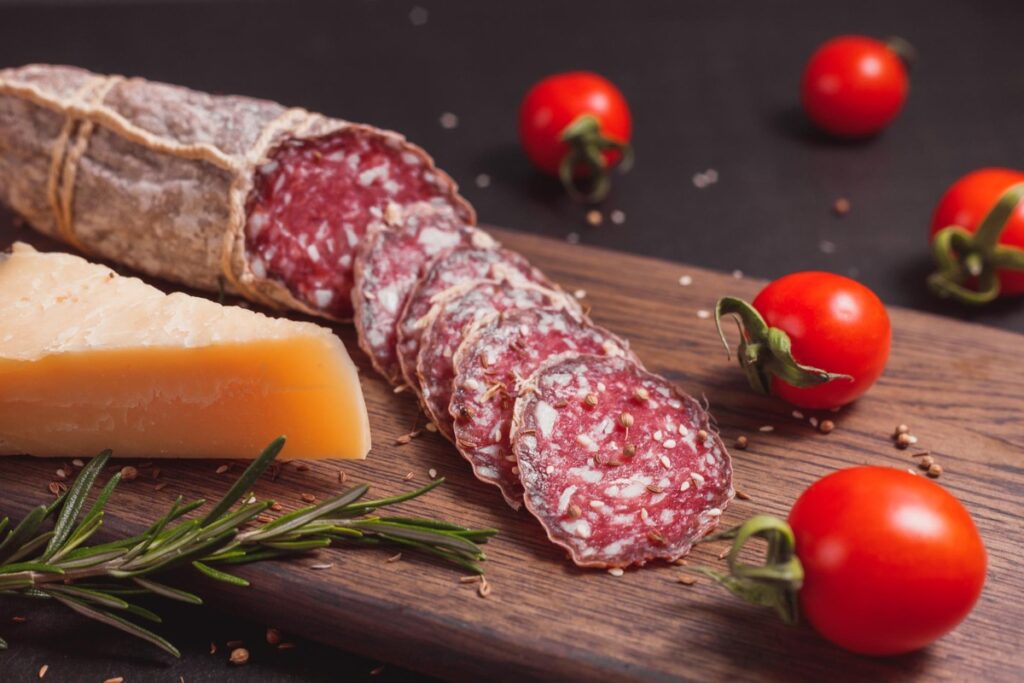
A typical one-ounce (28g) serving of hard salami contains around 110–140 calories, 9–12 grams of fat (including 3–5 grams of saturated fat), 5–7 grams of protein, and about 500–600 mg of sodium.
It contains minimal carbohydrates, making it technically keto-friendly or compatible with some low-carb plans.
Salami also provides small amounts of vitamin B12, niacin, and zinc, though it’s not a significant source of micronutrients.
Its high sodium content, coupled with the presence of nitrates and nitrites used in curing, makes it a processed meat of concern in health-conscious diets.
Calories add up quickly with salami, especially when eaten mindlessly or paired with high-calorie cheeses or crackers.
Pros of Eating Salami in a Weight Loss Diet
Salami’s savory taste and chewy texture can satisfy cravings for salty, fatty foods in small portions, helping some people avoid overeating more calorie-dense meals.
Its protein content can support satiety, reducing the urge to snack excessively between meals.
In tightly controlled portions, salami may fit into a ketogenic or low-carb diet where protein and fat are prioritized over carbohydrates.
The convenience of pre-sliced servings also supports portion regulation when snacking on the go or building a high-protein lunch.
For some, salami offers dietary flexibility and variety when consumed intentionally and in balance with whole foods.
The Downsides: What Makes Salami a Risky Choice?
Despite its flavor and protein benefits, salami has several drawbacks that make it a questionable choice in a weight loss plan.
Its high saturated fat content can contribute to elevated LDL cholesterol and long-term cardiovascular risk when consumed frequently.
The sodium level in just a few slices often exceeds 20–30% of the recommended daily intake, promoting water retention and potential blood pressure spikes.
Being a processed meat, salami is associated with higher risk of metabolic syndrome, insulin resistance, and inflammation when consumed regularly.
It lacks fiber and essential nutrients found in unprocessed protein sources like legumes, fish, or lean poultry.
Many commercial salamis include additives, preservatives, and flavor enhancers that further compromise their nutritional value.
Processed Meats and Weight Management: What the Science Says
Research has consistently linked high intake of processed meats to increased risk of obesity, diabetes, and cardiovascular disease.
A 2021 study published in Obesity Reviews concluded that frequent consumption of red and processed meats correlates with higher body fat and waist circumference.
Processed meats are calorie-dense, promote oxidative stress, and may alter gut microbiota in ways that contribute to metabolic dysfunction.
While no single food causes or cures weight gain, frequent inclusion of salami and similar products tends to work against long-term weight loss efforts.
Choosing whole protein sources — such as eggs, beans, or grilled chicken — provides greater nutritional density with fewer health risks.
Smart Ways to Include Salami Without Sabotaging Your Diet
If you choose to eat salami, moderation is key — limit portions to one ounce per serving and avoid daily consumption.
Pair salami with high-fiber, low-calorie foods like leafy greens, cucumber slices, or bell pepper strips to balance the meal.
Use salami as a garnish rather than a main protein, such as diced into a salad or as a flavor accent in vegetable-based dishes.
Look for nitrate-free, lower-sodium options made with fewer additives when possible.
Avoid pairing salami with high-fat cheeses or refined carbs like crackers and white bread, which amplify calorie intake.
Mindful eating practices — such as reading labels, preparing balanced meals, and limiting processed snacks — help maintain progress toward weight loss goals.
When Salami Should Be Avoided in a Weight Loss Plan
Individuals with hypertension, high cholesterol, or a family history of heart disease should minimize or eliminate salami due to its sodium and saturated fat content.
If you’re following a calorie-restricted diet, even small servings of salami can consume a disproportionate share of your daily fat and sodium allowance.
People prone to binge eating or cravings for salty snacks may find salami triggering and difficult to consume in moderation.
Those with inflammatory or autoimmune conditions might also benefit from reducing processed meat intake to support systemic health.
In such cases, prioritizing lean, whole-food proteins can aid weight loss while supporting long-term wellness.
A Natural Boost for Fat Metabolism
If you’re working toward sustainable weight loss, it’s helpful to support your metabolism with strategies beyond calorie counting.
OrexiBurn is a natural supplement developed to promote fat metabolism, appetite regulation, and energy balance — especially useful for individuals struggling with resistant weight.
Its formula includes L-arginine, citrus bioflavonoids, turmeric root, glucoraphanin, and jaboticaba extract, all known for their antioxidant and anti-inflammatory effects.
Together, these ingredients support hormonal balance, cellular energy, and fat oxidation without artificial stimulants.
If you’re looking for a way to naturally support your weight loss journey, visit the official site to learn more about OrexiBurn.