
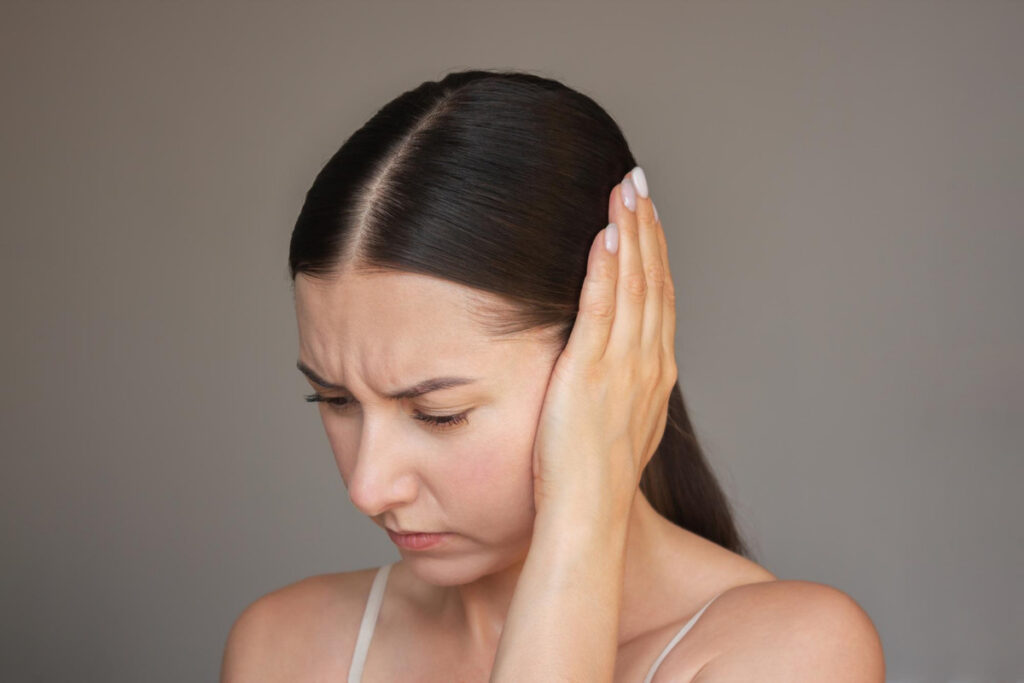
How long can temporary tinnitus last?
Many people experience brief periods of ringing, buzzing, or humming in the ears after loud noise exposure or stressful situations.
While most cases are short-lived, understanding the causes and duration of temporary tinnitus can help you prevent it from becoming chronic.

Tinnitus refers to the perception of sound without an external source, and when it appears suddenly, it often signals that the auditory system has been overstimulated or stressed.
The length of time it lasts depends on the trigger, the extent of ear involvement, and how quickly the ears recover.
How Long Can Temporary Tinnitus Last
Temporary tinnitus typically lasts anywhere from a few minutes to several days, depending on the underlying cause.
After attending a loud concert or using headphones at high volume, you might notice a faint ringing that fades after a few hours of quiet rest.
In more intense cases, where the auditory system has been more heavily strained, symptoms can persist for up to one or two weeks.
If the tinnitus lasts longer than two weeks, it’s important to consult a hearing specialist to rule out nerve or circulatory damage.
Short-term tinnitus often resolves as the hair cells in the inner ear recover from overstimulation.
However, if exposure to loud sounds continues or if ear health is compromised by factors such as infections, medication use, or poor circulation, the condition may become persistent.
Knowing the duration of temporary tinnitus helps distinguish between normal ear recovery and a more serious auditory issue.
Common Causes of Temporary Tinnitus
The most frequent cause of temporary tinnitus is exposure to loud noise.
Attending concerts, using power tools, or listening to music through headphones at high volume can damage the sensitive hair cells in the cochlea.
These cells are responsible for converting sound waves into electrical signals, and when they become fatigued, they send erratic signals that the brain perceives as ringing.
Ear wax buildup can also block sound conduction and cause temporary tinnitus until the blockage is removed.
Sinus infections or colds that create pressure in the middle ear may temporarily affect hearing and lead to tinnitus-like sensations.
Certain medications, especially some antibiotics, diuretics, and anti-inflammatories, are known to be ototoxic, meaning they can affect the auditory system.
Stress and lack of sleep can also exacerbate tinnitus by increasing cortisol and muscle tension around the head and neck.
Identifying the cause is crucial for choosing the right approach to relief and prevention.
When Temporary Tinnitus Becomes Chronic
In most cases, temporary tinnitus fades as the auditory system heals, but sometimes it can evolve into a chronic condition.
Persistent tinnitus may indicate underlying issues such as prolonged noise exposure, circulatory problems, or nerve damage.
High blood pressure, poor oxygen flow, or inner ear disorders can all interfere with normal auditory function.
If tinnitus persists beyond a few weeks, it should not be ignored.
Early evaluation by an otolaryngologist or audiologist can help detect treatable causes before permanent damage occurs.
Stress and emotional distress can further entrench tinnitus by activating the brain’s limbic system, which heightens awareness of the noise.
Over time, this can lead to a feedback loop where anxiety and tinnitus reinforce each other.
Learning to recognize this pattern early is key to breaking the cycle and preventing chronic symptoms.
Ways to Relieve Temporary Tinnitus
Managing temporary tinnitus involves giving your ears time to recover and reducing exposure to triggers.
Start by resting your ears after loud noise exposure and avoiding further loud environments.
Use white noise or soft background sounds to help mask ringing and make it less noticeable.
Stay well hydrated and ensure you get sufficient sleep to support the body’s natural recovery processes.
Limiting caffeine, alcohol, and nicotine can also help, as these substances may constrict blood vessels and affect ear circulation.
Gentle relaxation exercises like yoga, meditation, or deep breathing can lower stress and ease tension that might exacerbate tinnitus.
If sinus congestion or earwax buildup is present, addressing these issues can bring quick relief.
Above all, patience and self-care are essential, since the auditory system often needs time to reset.
How to Protect Your Ears and Prevent Recurrence
Prevention is the best way to keep temporary tinnitus from returning.
Use ear protection, such as foam or silicone plugs, when exposed to loud sounds at concerts, during yard work, or while using power tools.
Keep the volume moderate when listening to music or watching videos with headphones.
Take regular listening breaks to give your ears a chance to rest.
Maintain good cardiovascular health through exercise, a balanced diet, and adequate hydration to support optimal blood flow to the ears.
Avoid inserting objects into the ear canal, as this can push wax deeper or damage the eardrum.
Regular hearing checkups are also important, especially if you work in a noisy environment or have a history of tinnitus episodes.
Natural Support for Lasting Ear Health
For those who continue to experience tinnitus or want to support long-term ear health, natural supplementation can be beneficial.
Neuro Quiet is a natural spray supplement designed to promote auditory and neurological balance.
Its formula includes nutrients and herbal compounds that support microcirculation in the inner ear, reduce oxidative stress, and calm neural overactivity.
Ingredients such as Alpha-GPC, GABA, L-Dopa, and Moomiyo help regulate neurotransmitter activity and protect auditory cells from inflammation.
Using Neuro Quiet as part of a holistic ear care routine may help reduce the intensity and frequency of tinnitus episodes.
The convenient sublingual spray format allows for quick absorption and easy daily use.
Many users report improved relaxation and sleep quality—two key factors that aid in ear recovery.
Incorporating Neuro Quiet alongside good hearing habits and stress management can enhance overall auditory wellness.
Give Your Ears the Care They Need
If you’ve been wondering how long temporary tinnitus can last, the answer depends on your ear health, environment, and self-care habits.
Short-term ringing often resolves naturally, but ongoing symptoms deserve attention and proactive care.
Supporting your auditory system with healthy habits and targeted nutrients can help prevent recurrence and restore comfort.
To know more about a natural way to support your ear health, visit this page and learn about Neuro Quiet’s role in promoting lasting relief.