
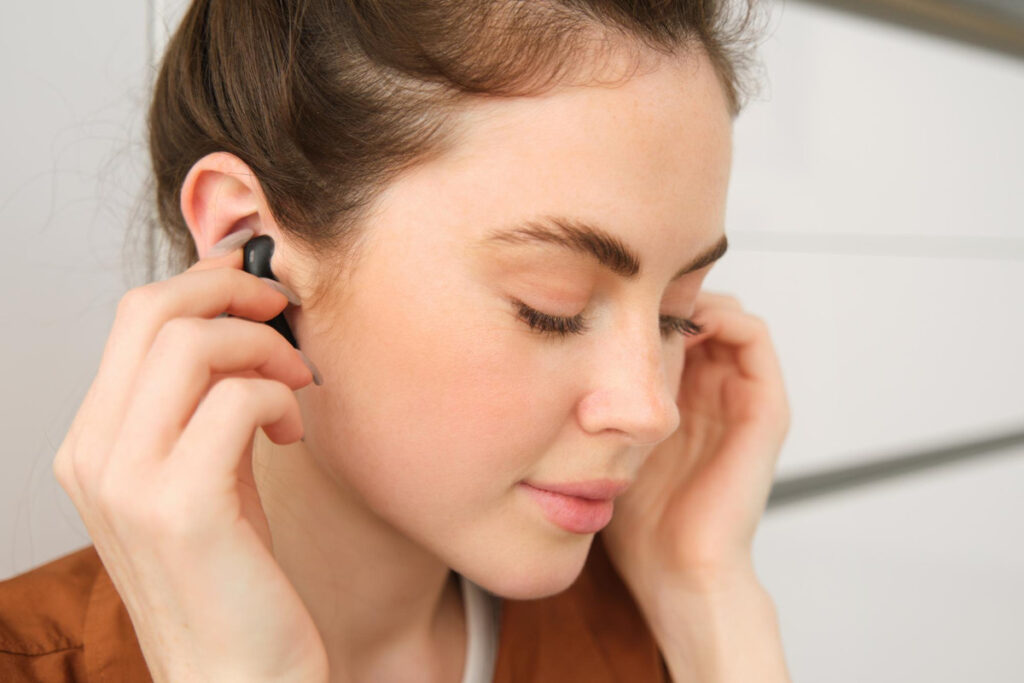
How do hearing aids help with tinnitus?
This is a question many people ask when struggling with the constant ringing, buzzing, or hissing in their ears.
Tinnitus affects millions of Americans, and for many, it coexists with some degree of hearing loss.

While hearing aids are primarily designed to improve hearing, they are increasingly recognized as a valuable tool in reducing the perception of tinnitus.
Understanding how hearing aids contribute to tinnitus relief can empower individuals to explore effective treatment options and improve their quality of life.
How Do Hearing Aids Help with Tinnitus?
Tinnitus often arises when the brain compensates for reduced auditory input due to hearing loss.
When external sounds are diminished, the auditory system may generate phantom sounds to fill the silence, resulting in tinnitus.
Hearing aids address this problem by amplifying external sounds and reintroducing auditory stimulation to the brain.
This increased sound input helps mask tinnitus and reduces the brain’s focus on the internal noise.
By improving overall hearing, hearing aids can shift attention away from tinnitus, making it less intrusive during daily activities.
In addition, hearing aids reduce the listening effort required in quiet environments, which can lower stress and indirectly ease tinnitus perception.
The Science Behind Hearing Aids and Tinnitus Relief
The effectiveness of hearing aids in tinnitus management is supported by neuroscience.
By amplifying ambient sounds, hearing aids stimulate dormant auditory pathways in the brain.
This neural stimulation reduces the hyperactivity that contributes to tinnitus perception.
Some advanced hearing aids include sound therapy programs or noise generators designed specifically to mask tinnitus.
These features introduce soothing background sounds, such as white noise or nature sounds, which can blend with tinnitus and make it less noticeable.
The combination of amplification and sound therapy can be particularly effective for people whose tinnitus worsens in quiet environments.
Consistent use of hearing aids not only improves hearing but also helps retrain the brain to deprioritize tinnitus signals.
Types of Hearing Aids Used for Tinnitus Management
Not all hearing aids are the same, and some models are better suited for tinnitus relief.
Traditional hearing aids amplify external sounds, which alone can help mask tinnitus.
More advanced models include integrated tinnitus therapy features that play customized sounds to match the frequency of the user’s tinnitus.
Behind-the-ear and in-the-ear devices can both be effective, depending on the degree of hearing loss and user preference.
Some hearing aids connect to smartphone apps, allowing users to control the volume and type of masking sounds in real time.
Choosing the right hearing aid requires consultation with an audiologist, who can assess both hearing loss and tinnitus severity.
The tailored fit and proper programming of a device are crucial for achieving maximum benefit.
Benefits Beyond Tinnitus Relief
The advantages of hearing aids extend beyond reducing tinnitus perception.
By improving hearing clarity, they enhance communication and make social interactions more enjoyable.
This helps reduce feelings of isolation, which are common among people with hearing difficulties and tinnitus.
Better hearing also alleviates the cognitive strain caused by constant listening effort.
This reduction in mental fatigue can decrease stress levels and improve mood.
Because stress is known to exacerbate tinnitus, this benefit has a reinforcing effect.
Hearing aids also contribute to better sleep quality, as individuals are less disturbed by tinnitus in quiet nighttime environments.
Overall, the combined improvements in hearing, emotional well-being, and social life create a more balanced and fulfilling daily experience.
Additional Strategies to Support Tinnitus Management
While hearing aids can significantly reduce tinnitus symptoms, they are most effective when combined with lifestyle adjustments.
Sound therapy, such as playing soft background music or using a white noise machine, can provide relief in quiet settings.
Stress management through meditation, yoga, or breathing exercises helps lower cortisol levels and reduce tinnitus intensity.
Good sleep hygiene, including maintaining a consistent bedtime and avoiding stimulants before bed, supports both hearing health and tinnitus management.
A balanced diet rich in antioxidants and omega-3 fatty acids helps protect auditory function and reduce inflammation.
Avoiding excessive noise exposure and wearing ear protection when necessary are also critical steps.
Combining these strategies with hearing aid use creates a comprehensive approach to tinnitus care.
Natural Support for Tinnitus Relief
In addition to hearing aids and lifestyle strategies, some individuals seek natural options for extra support.
Neuro Quiet is a natural supplement designed to help reduce the perception of tinnitus while promoting auditory and neurological health.
Its formula includes nutrients and plant extracts with antioxidant, anti-inflammatory, and neuroprotective properties.
By supporting circulation, reducing oxidative stress, and promoting relaxation, Neuro Quiet may help ease tinnitus symptoms.
Its sublingual spray format allows for quick absorption and convenient daily use.
Many users find that Neuro Quiet also supports better sleep and reduces stress, two critical factors for tinnitus management.
When used alongside hearing aids, it may enhance overall results and contribute to a more holistic approach.
Take Action for Better Hearing and Tinnitus Relief
Living with tinnitus can be challenging, but solutions exist to make symptoms more manageable.
Hearing aids offer significant relief by amplifying sound, masking tinnitus, and reducing the stress associated with hearing loss.
For additional natural support, Neuro Quiet provides a complementary option to improve auditory health and overall well-being.
To know more about this product and how it can support your tinnitus management plan, visit this page.