Many people wonder about the effectiveness of “heating pad on stomach weight loss” strategies, especially when looking for simple, at-home ways to slim down.
The idea that applying heat to the abdominal area can melt fat or flatten the stomach is widespread on social media, but it often lacks scientific backing.
In this article, we’ll explore what heat really does to the body, whether it plays a role in fat loss, and how to distinguish myths from legitimate strategies.

Heating Pad on Stomach Weight Loss
Heating pad on stomach weight loss is a popular search term among those seeking non-invasive, fast ways to reduce belly fat.
Some believe that applying heat to the abdominal area increases calorie burning or mobilizes stored fat, similar to the effects of exercise or sauna use.
Others use heating pads hoping to accelerate digestion or reduce bloating, interpreting any temporary slimming as fat loss.
Despite its popularity, the effectiveness of this method depends on what kind of result you’re actually aiming for — temporary visual change or long-term fat reduction.
It’s important to assess what heating pads can and cannot realistically do in the context of body composition.
How Heating Pads Work: A Physiological Perspective
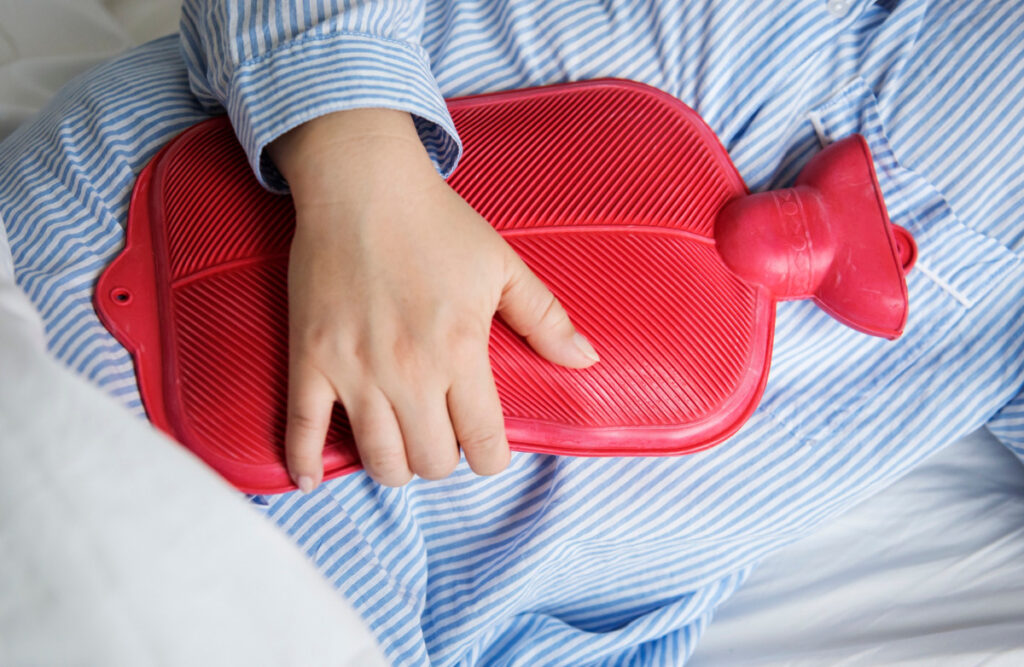
Heating pads work by delivering localized heat to tissues just below the skin, increasing blood flow and soothing muscles.
The thermal effect causes vasodilation — or widening of blood vessels — which promotes circulation and helps with pain relief and muscle tension.
Heat can relax the abdominal wall and provide relief from cramps or digestive discomfort, which may give a sensation of a flatter stomach.
However, this process does not trigger fat oxidation or stimulate metabolic activity sufficient to result in actual fat loss.
Increased circulation and warmth may temporarily change how the skin and tissue feel, but they do not penetrate deeply enough to affect fat cells.
Does Heat Burn Belly Fat?
The short answer is no — applying heat alone to the belly does not burn fat.
Fat loss occurs through a calorie deficit, where your body breaks down stored fat to meet energy needs.
This process is regulated hormonally and metabolically and cannot be localized by external heat.
Unlike exercise, which increases heart rate, oxygen consumption, and systemic energy expenditure, a heating pad does not elevate your metabolic rate.
You may sweat more under a heating pad, but the loss is primarily water weight, not fat.
When rehydrated, any apparent loss reverts quickly, making this a cosmetic, not physiological, effect.
Temporary vs. Real Results
Some people report feeling slimmer after using a heating pad on their stomach due to reduced bloating or temporary water loss.
Heat may also loosen muscles and fascia, making the abdomen feel softer or flatter to the touch.
These changes are often mistaken for fat loss, but they are short-lived and not related to actual reductions in adipose tissue.
There’s no measurable calorie burn or increase in lipolysis (fat breakdown) when using heat alone.
For long-term change, a strategy that addresses overall caloric intake, hormonal balance, and muscle engagement is required.
Are There Any Benefits to Using Heat on the Stomach?
Although heat won’t lead to fat loss, it can offer some health and comfort benefits.
Using a heating pad may help relieve menstrual cramps, digestive discomfort, or abdominal tension — all of which can contribute to a distended appearance.
For individuals with irritable bowel syndrome (IBS) or constipation, localized warmth can encourage bowel movement and ease cramping.
Relaxing the abdominal region may reduce stress-related tension that can interfere with digestion or cause bloating.
These secondary benefits can contribute to a more comfortable and potentially flatter-feeling stomach, but they should not be confused with fat reduction.
What the Science Says
Currently, there is no scientific evidence supporting the use of heating pads as a means to reduce fat mass or abdominal circumference.
Studies on thermogenesis and fat oxidation show that heat generated internally through exercise or cold exposure may influence metabolic rate.
However, passive external heat applied through pads or wraps has not been shown to activate brown fat or significantly alter energy expenditure.
Sauna use may have cardiovascular and relaxation benefits, but even that does not equate to meaningful fat loss unless paired with lifestyle changes.
The claim that heat burns fat lacks physiological support, especially when no active energy expenditure is involved.
Safer and More Effective Ways to Lose Belly Fat
Sustainable fat loss comes from a consistent calorie deficit through dietary adjustments and physical activity.
Strength training and aerobic exercise increase muscle mass and energy use, which helps mobilize fat stores — including visceral fat around the abdomen.
High-protein, fiber-rich diets reduce hunger and improve blood sugar control, both important for managing body weight.
Sleep quality, stress management, and hydration also play vital roles in hormone regulation and appetite.
Natural thermogenics or metabolic support supplements can complement these efforts, as long as they are used safely and strategically.
A Natural Ally in Your Fat Loss Journey
If you’re looking for a scientifically grounded way to support weight management, natural solutions like OrexiBurn may help.
OrexiBurn is formulated with compounds that support orexin activity — a brain peptide linked to metabolism, appetite control, and energy levels.
Its blend of antioxidants and botanical extracts helps support metabolic health without relying on stimulants or crash dieting.
When combined with healthy eating and movement, it can enhance your body’s natural fat-burning rhythm.
To learn more about how OrexiBurn fits into a comprehensive fat loss plan, visit the official site.