
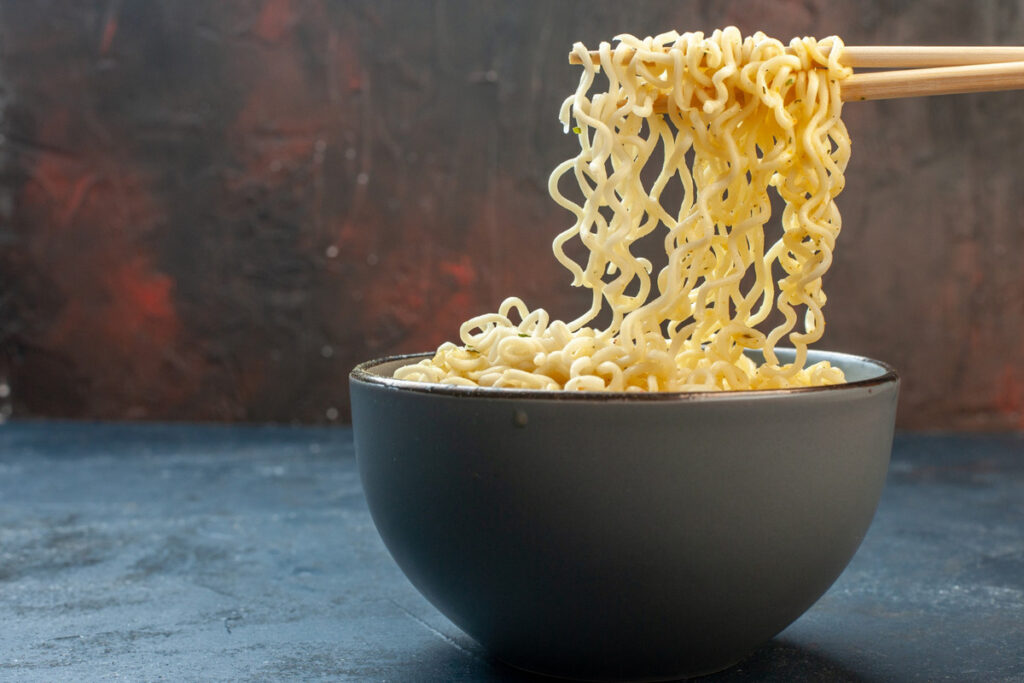
Many people managing blood sugar levels wonder, “can diabetics eat ramen noodles” when faced with quick meal options or cravings for comfort food.
Although ramen is convenient and flavorful, its traditional formulation raises concerns for individuals with diabetes due to its high carbohydrate content and lack of nutritional balance.
This article explores how ramen affects blood sugar, what risks it presents, and how to make it a safer choice if you choose to include it in your diet.

Can Diabetics Eat Ramen Noodles?
Can diabetics eat ramen noodles safely depends on the type and preparation.
Most conventional ramen noodles — especially instant varieties — are made from refined wheat flour, which causes rapid blood sugar spikes.
They are also typically low in fiber and protein, which means there’s little to slow down the digestion of carbohydrates.
For individuals with type 2 diabetes or prediabetes, eating regular ramen without modification can lead to a glycemic rollercoaster.
However, there are ways to enjoy ramen-style meals in moderation with smart adjustments that minimize glucose impact.
Nutritional Breakdown of Ramen Noodles
A single serving of instant ramen typically contains 40 to 60 grams of carbohydrates, most of which come from processed white flour.
These noodles offer minimal fiber — often less than 2 grams per serving — and just a small amount of protein.
In addition to carbohydrates, ramen tends to be high in total fat and saturated fat, especially in versions that include seasoning oil packets.
Sodium content is a major issue, with many brands exceeding 1,000 mg per serving, contributing to hypertension risk.
Micronutrients such as vitamins and minerals are either absent or present only in trace amounts unless artificially added.
How Ramen Affects Blood Sugar
The refined carbs in ramen are quickly digested, leading to sharp increases in blood glucose.
Without fiber or healthy fat to slow absorption, the glucose enters the bloodstream rapidly, challenging insulin regulation.
Frequent consumption of high-glycemic meals like instant noodles may contribute to insulin resistance over time.
For people already living with diabetes, these spikes can be dangerous and accelerate complications if not controlled.
Additionally, these meals often lack the nutritional diversity needed to support stable blood sugar throughout the day.
The Role of Sodium and Additives
Beyond carbohydrates, ramen’s sodium content presents a separate health concern for diabetics, especially those with coexisting hypertension or kidney issues.
Excess salt increases blood pressure, which is already a common problem in individuals with diabetes.
Many flavoring packets also contain monosodium glutamate (MSG), artificial preservatives, and coloring agents, which may trigger inflammatory responses or sensitivities in some people.
These additives do not provide nutritional benefit and may further stress the metabolic system.
Eating ramen occasionally may not pose harm, but regular intake of highly processed ingredients should be avoided.
Can Ramen Be Made Diabetic-Friendly?
Yes — with thoughtful substitutions, ramen-style meals can be adapted for blood sugar control.
Using noodles made from konjac (shirataki), zucchini spirals, or legume-based pasta dramatically lowers the glycemic load.
Swapping the seasoning packet for homemade broth with herbs, garlic, ginger, and low-sodium tamari enhances flavor without harmful additives.
Adding protein such as grilled chicken, tofu, boiled eggs, or edamame helps slow glucose absorption and increase satiety.
Vegetables like bok choy, spinach, mushrooms, and carrots provide fiber, antioxidants, and volume to balance the dish.
These changes allow you to enjoy the texture and comfort of ramen while protecting your metabolic health.
Tips for Including Noodles in a Diabetic Diet
If you’re craving noodles, moderation and balance are essential.
Choose whole grain, low-carb, or high-fiber alternatives instead of instant white flour varieties.
Always combine noodles with protein, healthy fats (like sesame oil or avocado), and non-starchy vegetables to slow digestion.
Limit or eliminate use of packaged seasoning — it’s often the source of excess sodium and artificial ingredients.
Control portion size carefully; a full ramen packet often contains two servings, not one.
Stay hydrated, especially when eating salty foods, to support kidney function and blood pressure stability.
A Supportive Tool for Blood Sugar Management
Alongside dietary improvements, many individuals with diabetes benefit from additional support to stabilize glucose levels naturally.
GlycoFortin is a liquid supplement designed to aid in blood sugar control through a combination of herbal and mineral ingredients that improve insulin sensitivity and metabolic balance.
Its formula includes botanicals such as Gymnema Sylvestre, green tea, Panax ginseng, and chromium — each selected for their role in supporting glucose metabolism.
When used with mindful eating, GlycoFortin can enhance your efforts to maintain stable energy, reduce cravings, and avoid glucose spikes.
To learn how GlycoFortin can support your diabetes management plan, visit the official site.