Can diabetics eat pickles?
This is a common question among individuals managing their blood sugar levels while trying to enjoy flavorful, low-calorie snacks.
Pickles, whether dill, sweet, or fermented, offer a unique nutritional profile that may provide benefits but also pose risks if consumed carelessly.

Understanding how different types of pickles interact with glucose control is essential for making informed dietary choices.
Can Diabetics Eat Pickles?
The impact of pickles on diabetes largely depends on the type of pickle consumed.
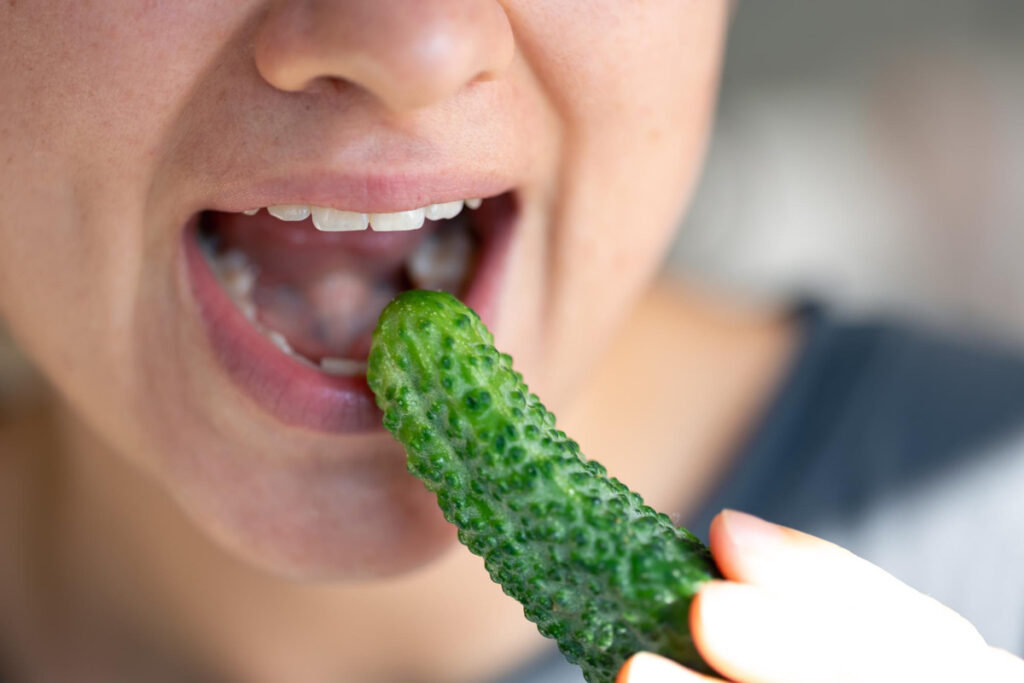
Dill pickles, typically made with cucumbers, vinegar, and spices, are generally low in carbohydrates and have little to no sugar.
These can be a safe option in moderation for people with diabetes.
Fermented pickles, produced through lacto-fermentation, may offer probiotics that support gut health and potentially improve insulin sensitivity.
However, sweet pickles often contain added sugar, which can cause rapid spikes in blood glucose levels.
For diabetics, avoiding sweet pickles and choosing unsweetened versions is crucial.
Portion control is also important, as even low-calorie foods can contribute to health issues when overconsumed.
Nutritional Profile of Pickles
Pickles are generally low in calories, often containing fewer than 10 calories per serving.
They provide small amounts of vitamins and minerals, including vitamin K, vitamin A, and potassium.
Their carbohydrate content is minimal unless sugar is added during processing.
The major concern with pickles is their sodium content, which can be very high.
A single pickle spear can contain over 300 milligrams of sodium, contributing significantly to daily intake.
While sodium itself does not directly raise blood sugar, excessive consumption may elevate blood pressure and strain cardiovascular health, which are already concerns for people with diabetes.
Thus, understanding both the benefits and risks of pickles requires considering their nutrient balance.
Potential Benefits of Pickles for Diabetics
Pickles may provide several advantages for individuals managing diabetes.
Fermented pickles contain probiotics, which support gut microbiome health and may indirectly benefit glucose regulation.
Their low-calorie and low-carb nature make them a satisfying snack for those watching their weight.
Acidic foods like vinegar-based pickles have been studied for their potential to moderate blood sugar spikes after meals.
Including a small portion of pickles alongside higher-carb foods may help slow glucose absorption.
The crunch and flavor of pickles can also make healthy meals more enjoyable, supporting long-term adherence to a balanced diet.
These benefits highlight why pickles, when chosen wisely, can be part of a diabetes-friendly eating plan.
Risks and Concerns for Diabetics Eating Pickles
Despite their benefits, pickles are not risk-free.
The primary concern is sodium, which can exacerbate hypertension, kidney issues, and fluid retention.
People with diabetes often have a higher risk of cardiovascular complications, making sodium intake especially important to monitor.
Sweet pickles and bread-and-butter varieties contain significant amounts of added sugar, which can cause dangerous glucose fluctuations.
Some commercial pickles also include preservatives and additives that may not align with a whole-foods diet.
For those sensitive to acidic foods, pickles may contribute to digestive discomfort or acid reflux.
Therefore, diabetics must be cautious and selective in the types and quantities of pickles they consume.
Tips for Including Pickles in a Diabetes-Friendly Diet
Diabetics who enjoy pickles can still include them in their diet with mindful strategies.
Always choose dill or fermented varieties over sweet pickles to minimize sugar intake.
Look for reduced-sodium options or make homemade pickles to control salt levels.
Limit portions to one or two spears at a time to avoid excessive sodium intake.
Pair pickles with protein-rich or fiber-rich foods to balance blood sugar and improve satiety.
Experiment with homemade recipes that use vinegar, fresh herbs, and minimal salt to create healthier alternatives.
Including pickles occasionally as a condiment or side dish can add flavor without overwhelming blood sugar control when done thoughtfully.
Natural Support for Blood Sugar Control
In addition to dietary strategies like mindful pickle consumption, natural supplementation can support healthy glucose levels.
GlycoFortin is a liquid dietary supplement designed to promote balanced blood sugar and overall metabolic health.
Its formulation includes natural extracts such as chromium, guaraná, green tea, Panax ginseng, Gymnema Sylvestre, maca, and grape seed extract.
These ingredients work together to enhance insulin sensitivity, reduce intestinal glucose absorption, and combat inflammation.
Users often report increased energy, reduced sugar cravings, and improved concentration while taking GlycoFortin.
It is manufactured in FDA-registered facilities following GMP standards, ensuring safety and quality.
For those managing diabetes, GlycoFortin offers an added layer of natural support alongside lifestyle and dietary changes.
Balance Flavor and Health in Your Diabetes Journey
Can diabetics eat pickles? The answer is yes, with the right choices and in moderation.
Unsweetened and low-sodium options can add variety to a diabetes-friendly diet without compromising blood sugar control.
For more comprehensive support, GlycoFortin provides a natural solution to promote glucose balance and energy stability.
To know more about this product and how it can fit into your daily routine, visit the official site.