
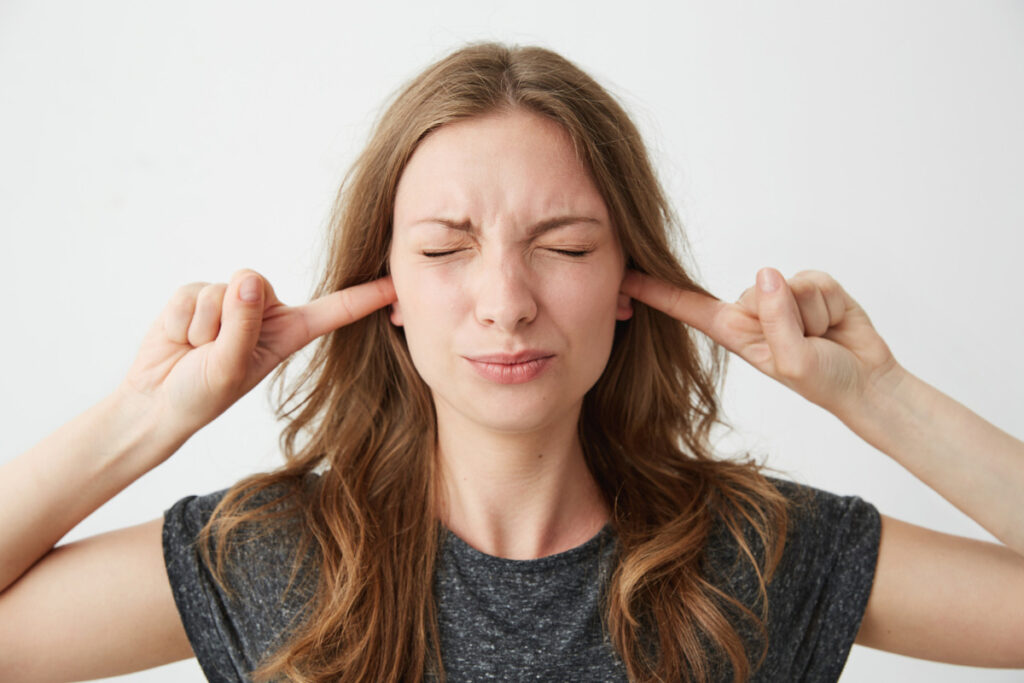
Bruxism and tinnitus are often experienced together, raising questions about whether grinding or clenching teeth can trigger ringing in the ears.
Bruxism is the involuntary act of grinding or clenching teeth, often occurring during sleep.
Tinnitus is the perception of ringing, buzzing, or hissing in the ears without an external source.

Both conditions can significantly affect quality of life, leading to pain, fatigue, and emotional stress.
Exploring their connection is essential for finding effective strategies to relieve symptoms.
Bruxism and Tinnitus
Bruxism places excessive strain on the temporomandibular joint (TMJ), which is located near the ear.
The tension and inflammation from jaw overuse can irritate nerves and muscles that connect to the auditory system.
This close anatomical relationship explains why many people with bruxism also develop tinnitus.
The pressure from clenching may also impact blood flow and nerve signaling in the region, further contributing to phantom ear sounds.
While not every case of tinnitus is related to bruxism, studies show a clear association between the two.
Addressing jaw health is therefore a key step for some individuals seeking tinnitus relief.
How Bruxism May Lead to Tinnitus
The temporomandibular joint plays a central role in the link between bruxism and tinnitus.
When teeth grinding leads to joint misalignment or muscle overactivity, the auditory nerves may be affected.
Muscle tension in the jaw and neck can radiate toward the ear, creating discomfort and amplifying tinnitus perception.
In addition, nerve compression or irritation may send abnormal signals to the brain, which interprets them as sound.
Chronic bruxism can also lead to inflammation and stress in cranial structures, worsening ear-related symptoms.
This interplay explains why some patients notice their tinnitus worsening when they clench their jaw or chew vigorously.
Common Symptoms Linking Bruxism and Tinnitus
Recognizing shared symptoms helps identify when bruxism may be contributing to tinnitus.
Common signs of bruxism include tooth wear, jaw pain, or muscle stiffness upon waking.
Headaches, especially in the temples, are frequently reported.
Clicking or popping sounds in the jaw joint may indicate temporomandibular dysfunction.
Neck and shoulder tension often accompany chronic teeth grinding.
Tinnitus in this context may manifest as a ringing, buzzing, or whooshing sound in one or both ears.
Some individuals notice that their ear ringing worsens during stressful periods or after nights of intense teeth grinding.
This pattern suggests that addressing bruxism could help reduce the severity of tinnitus.
Risk Factors That Increase Both Conditions
Several risk factors contribute to the development of both bruxism and tinnitus.
Stress and anxiety are leading causes, as they increase jaw tension and nervous system reactivity.
Sleep disorders such as sleep apnea may also trigger teeth grinding and worsen tinnitus perception.
Poor posture, particularly forward head posture, can strain jaw and neck muscles, contributing to both conditions.
Bite misalignment or dental problems increase the risk of bruxism-related TMJ strain.
Caffeine and alcohol consumption may exacerbate teeth grinding at night.
Noise exposure is another factor that independently contributes to tinnitus while stress amplifies both issues.
Hormonal fluctuations, aging, and genetics can also influence susceptibility.
Recognizing overlapping risk factors allows individuals to take preventive measures and adopt healthier lifestyle choices.
Coping Strategies for Bruxism and Tinnitus
Managing bruxism and tinnitus together requires a multifaceted approach.
Mouthguards or night guards prescribed by a dentist help protect teeth and reduce jaw strain.
Physical therapy can relieve muscle tension in the jaw and neck, improving both conditions.
Relaxation techniques such as meditation, yoga, and breathing exercises reduce stress and lower the likelihood of teeth grinding.
Improving sleep hygiene by maintaining a consistent routine and avoiding stimulants before bed is beneficial.
Sound therapy can help mask tinnitus and improve sleep quality.
Avoiding chewing gum, hard foods, or frequent jaw clenching reduces TMJ irritation.
Professional counseling or cognitive behavioral therapy may address underlying anxiety contributing to both bruxism and tinnitus.
Regular exercise, hydration, and balanced nutrition further support nervous system health.
Natural Support for Ear Health and Symptom Relief
In addition to lifestyle adjustments, natural supplementation may provide relief for tinnitus linked to bruxism.
Neuro Quiet is a natural spray supplement designed to support auditory health and reduce the perception of tinnitus.
Its blend of nutrients and plant extracts works to improve circulation, protect nerve pathways, and promote neurological balance.
By addressing inflammation and oxidative stress, Neuro Quiet helps calm the nervous system and reduce ear ringing.
Its sublingual delivery ensures quick absorption and convenience for daily use.
For individuals struggling with bruxism-related tinnitus, Neuro Quiet may offer added relief when combined with dental care and stress management.
Many users also report improved relaxation and better sleep, two crucial factors for reducing both bruxism and tinnitus.
Find Relief and Restore Balance
Bruxism and tinnitus often overlap, but understanding their connection provides a path toward effective relief.
By combining dental care, stress reduction, and natural supplementation, it is possible to reduce the intensity of symptoms.
Neuro Quiet offers a safe and natural option to support ear health and promote calmness.
To know more about this product and how it may fit into your routine, visit this page.