
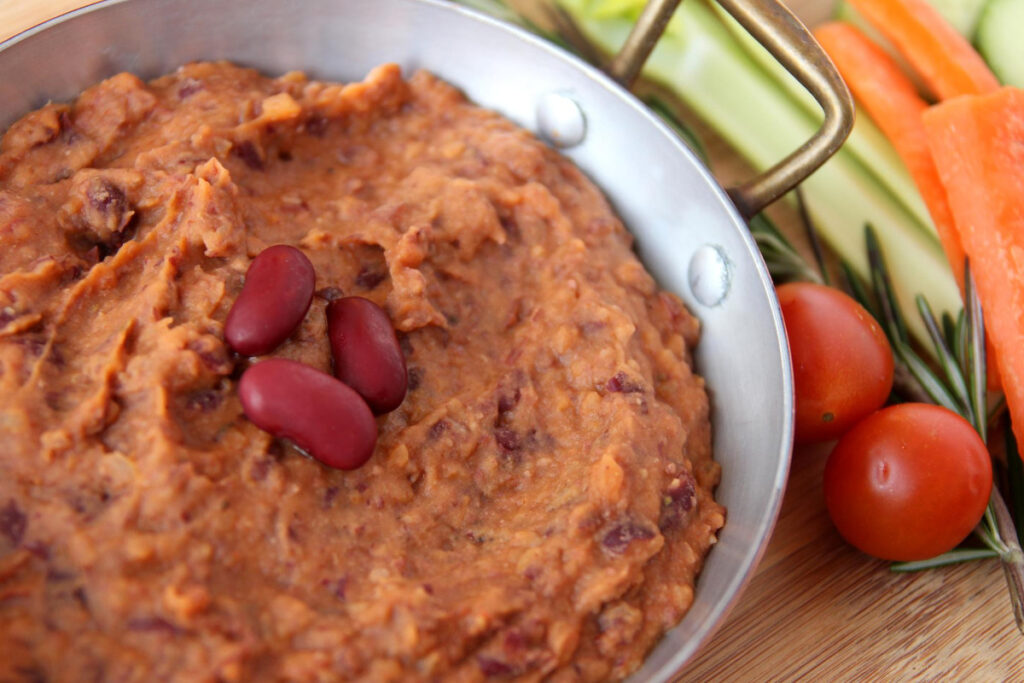
Are refried beans good for diabetics?
This question matters for anyone who wants to enjoy traditional comfort foods while keeping blood sugar under control.
Refried beans are a staple in many cuisines, yet their preparation methods and ingredients can vary widely.

These variations significantly influence how they affect glucose levels.
Understanding the nutritional profile and glycemic impact of refried beans helps people living with diabetes make informed dietary choices.
This article explores the benefits, risks, and best practices for including refried beans in a diabetes-friendly diet.
Are Refried Beans Good for Diabetics?
Refried beans are typically made by cooking and mashing beans, then frying or reheating them with fat, spices, or aromatics.
The traditional version often includes lard or oil, which changes the overall calorie and fat content.
For diabetics, the healthfulness of refried beans depends largely on how they are prepared.
Beans themselves are naturally high in fiber, plant-based protein, and complex carbohydrates.
These components help slow digestion and minimize spikes in blood sugar.
However, when refried beans contain excess fat, added sugars, or preservatives, their nutritional value changes.
Choosing the right preparation method is key to enjoying refried beans safely.
Nutritional Profile of Refried Beans
Beans are rich in dietary fiber, which plays a crucial role in stabilizing blood sugar levels.
Fiber slows the absorption of glucose, allowing for better glycemic control.
Refried beans also provide plant protein, which supports muscle maintenance and satiety.
They contain essential nutrients like iron, magnesium, potassium, folate, and B vitamins.
These nutrients help regulate energy production, cardiovascular function, and nerve health.
The carbohydrate content in beans is mostly complex, meaning it digests more slowly.
This is particularly beneficial for diabetics who need to manage glucose fluctuations.
Refried beans made without added fats maintain a healthier caloric balance for diabetes management.
How Refried Beans Affect Blood Sugar Levels
The glycemic index of beans is low due to their high fiber content.
This makes them one of the most diabetes-friendly carbohydrate sources.
When beans are mashed and refried, their structure remains mostly intact, preserving their low glycemic impact.
However, added fats and sodium can complicate metabolic responses.
Always check nutritional labels to avoid varieties containing sugar or unhealthy oils.
Canned versions may include preservatives that affect digestion and overall dietary quality.
To keep blood sugar stable, prioritize simple, minimally processed ingredients.
Homemade refried beans typically offer the best glucose-friendly results.
Homemade vs. Canned Refried Beans: Which Is Better for Diabetics?
Homemade refried beans allow full control over ingredients and cooking methods.
Using cooked pinto or black beans, a splash of broth, and simple seasonings ensures a nutrient-dense dish.
Avoiding lard and excessive oils keeps calorie and fat levels appropriate for diabetic needs.
Canned refried beans vary widely in nutritional quality.
Some contain added oils, artificial flavors, or high sodium levels.
Fat-free canned varieties can be suitable if they contain simple, whole-food ingredients.
Always review ingredient lists carefully to avoid unnecessary additives.
Comparing labels helps identify the best options for maintaining blood sugar balance.
Benefits of Eating Refried Beans for Diabetics
Refried beans offer several advantages for diabetes management.
Their high fiber content supports digestion and satiety.
Fiber also improves gut health, which plays a role in glucose regulation.
The protein in beans promotes sustained energy and helps prevent overeating.
Low-glycemic carbohydrates reduce the risk of post-meal blood sugar spikes.
Beans also provide magnesium and potassium, minerals that support heart health.
Stable blood sugar levels contribute to better long-term metabolic control.
Including refried beans in balanced meals can help improve dietary quality overall.
How to Include Refried Beans Safely in a Diabetic Diet
Portion control is essential when incorporating refried beans into meals.
A half-cup serving is typically appropriate for most diabetic meal plans.
Pairing refried beans with lean proteins and non-starchy vegetables enhances blood sugar stability.
Consider adding them to grain bowls, salads, or whole grain tortillas.
Avoid eating refried beans with high-calorie sides like chips or white rice.
Use olive oil or broth instead of lard when preparing homemade versions.
Season with herbs and spices instead of salt to control sodium intake.
Prioritizing whole-food ingredients ensures the best nutritional outcomes.
Common Mistakes to Avoid When Eating Refried Beans with Diabetes
Many people unintentionally decrease the health benefits of refried beans with avoidable errors.
Choosing versions made with lard increases saturated fat intake.
Large portions can elevate total carbohydrate consumption too quickly.
Pairing refried beans with processed foods like tortillas or chips raises glycemic load.
Relying on restaurant versions often leads to excessive sodium exposure.
Not checking labels on canned beans can result in consuming hidden sugars.
Skipping fiber-rich sides reduces the glycemic benefits of beans.
Being mindful of these pitfalls helps preserve the blood sugar–friendly qualities of refried beans.
Natural Support for Blood Sugar Control
While food choices play a major role in diabetes management, targeted supplementation may enhance metabolic support.
GlycoFortin is a natural liquid supplement formulated to help maintain balanced blood sugar levels.
Its blend includes chromium, green tea extract, guaraná, Gymnema Sylvestre, ginseng, maca, and grape seed extract.
These ingredients work together to promote insulin sensitivity and reduce glucose absorption.
The formula also supports energy, concentration, and appetite control.
Many individuals use GlycoFortin as part of a comprehensive approach to metabolic health.
Its natural composition aligns well with whole-food dietary patterns anchored in legumes.
Make Refried Beans a Smart Part of Your Diabetes-Friendly Diet
Refried beans can be a healthy, satisfying option for diabetics when prepared with care and paired thoughtfully.
Their fiber, protein, and nutrient content support stable blood sugar and overall wellness.
Choosing whole-food ingredients and managing portions helps maximize their benefits.
For additional metabolic support, GlycoFortin offers a natural way to complement your dietary efforts.
To learn more about this natural supplement and explore how it can support your diabetes management plan, visit the official GlycoFortin website.