
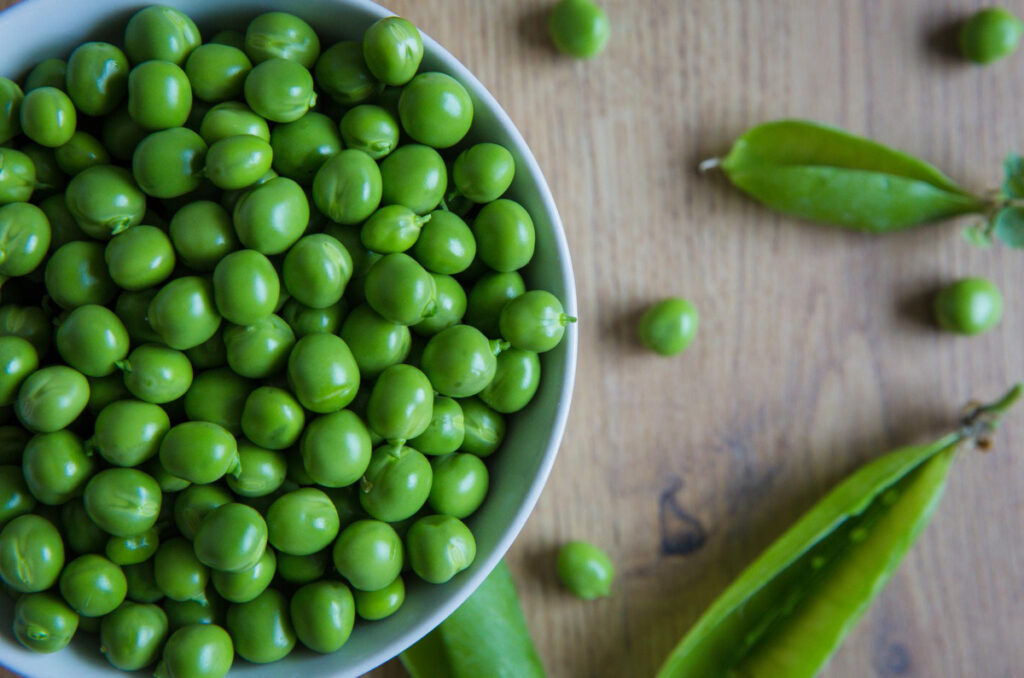
Are green peas good for diabetics?
This question matters because people with diabetes are constantly searching for foods that provide nutrition without spiking blood sugar levels.
Green peas, though often seen as a simple side dish, contain a rich blend of nutrients that may support glucose management.

Understanding their composition, benefits, and best uses helps diabetics make informed choices for their diet.
Are Green Peas Good for Diabetics?
Green peas are a starchy vegetable, but unlike potatoes or corn, they have a lower glycemic index.
This means they cause a slower and more gradual rise in blood glucose levels after eating.
They are also packed with dietary fiber and plant-based protein, which help regulate digestion and keep blood sugar steady.
The combination of low glycemic load and high nutrient density makes them a suitable option for diabetics when eaten in proper portions.
Research suggests that incorporating peas into meals may improve satiety and reduce reliance on high-glycemic foods.
Therefore, green peas can be considered a diabetes-friendly food when integrated into balanced meals.
The Role of Fiber in Blood Sugar Management
One of the biggest advantages of green peas is their fiber content.
A single cup of peas provides around 8 grams of dietary fiber, including both soluble and insoluble types.
Soluble fiber slows the absorption of sugar in the digestive tract, which reduces post-meal blood glucose spikes.
It also promotes healthy gut bacteria that may improve overall metabolic health.
Insoluble fiber supports digestion and helps maintain regular bowel movements, which is beneficial for weight management.
For people with diabetes, high-fiber foods like peas can be essential tools for long-term glucose control.
Protein and Satiety Benefits of Green Peas
Protein plays an important role in diabetes management by helping control appetite and preserve lean muscle mass.
Green peas provide about 8 grams of protein per cup, making them one of the richest protein sources among vegetables.
This plant-based protein slows digestion and increases satiety, which helps reduce overeating and supports weight management.
Since maintaining a healthy weight is critical for controlling type 2 diabetes, peas can be particularly useful in meal planning.
Adding them to salads, soups, or grain bowls boosts the protein content of meals without adding excessive fat or calories.
Antioxidants and Micronutrients in Green Peas
Beyond fiber and protein, peas are rich in essential vitamins and antioxidants.
They provide vitamin C, which supports immune health and collagen production.
Vitamin K contributes to bone health and blood clotting.
The B-complex vitamins, particularly folate, support energy metabolism and nervous system health.
Peas also contain carotenoids and flavonoids, which have antioxidant properties that help reduce oxidative stress.
Oxidative stress is often elevated in diabetes and contributes to complications like cardiovascular disease and nerve damage.
By including antioxidant-rich foods like peas, diabetics may better protect their long-term health.
How to Add Green Peas to a Diabetic-Friendly Diet
There are many practical ways to add peas to a diabetes-conscious meal plan.
They can be added to soups, stews, and curries for extra fiber and bulk.
Pureed peas can be used as a base for dips or spreads, serving as a healthier alternative to processed condiments.
Cold salads with peas, whole grains, and lean protein create a balanced and filling meal.
Mixing peas with quinoa, brown rice, or farro helps create nutrient-dense bowls with steady energy release.
They also pair well with grilled fish or chicken, providing a balanced mix of protein, fiber, and micronutrients.
Frozen peas are just as nutritious as fresh ones, making them a convenient year-round option.
Precautions and Portion Control
Although peas have a low glycemic index, they still contain carbohydrates.
One cup of peas provides about 20 grams of carbohydrates, which should be factored into a diabetic’s daily meal plan.
Overeating peas in large amounts may still raise blood sugar.
It is important to monitor serving sizes and combine peas with other low-glycemic foods.
People with diabetes should also be mindful of preparation methods.
Avoid butter-heavy or cream-based recipes that add saturated fat and excess calories.
Steaming, boiling, or lightly sautéing peas are healthier cooking options.
When eaten in moderation and as part of a balanced plate, peas are a safe and beneficial addition.
Natural Support for Blood Sugar Balance
While green peas can contribute to better blood sugar management, many individuals benefit from additional natural support.
GlycoFortin is a liquid supplement designed to help regulate blood glucose and improve insulin sensitivity.
It contains plant extracts like guaraná, green tea, Panax ginseng, Gymnema Sylvestre, and grape seed extract, all known for their metabolic benefits.
These ingredients work together to reduce glucose absorption, enhance energy levels, and combat inflammation.
By supporting the pancreas and liver, GlycoFortin provides comprehensive assistance for long-term metabolic health.
It is non-GMO, stimulant-free, and produced in FDA-registered facilities under GMP standards.
When paired with a balanced diet that includes foods like green peas, GlycoFortin may help people with diabetes maintain steady energy and improved quality of life.
Green Peas and GlycoFortin: Partners in Blood Sugar Control
Green peas offer fiber, protein, and antioxidants that make them a smart food choice for diabetics.
When eaten in moderation, they can help stabilize blood sugar, reduce hunger, and provide long-term health benefits.
For those seeking additional natural support, GlycoFortin is a complementary option that works alongside healthy eating habits.
To know more about this product and how it can help support balanced glucose levels, visit the official GlycoFortin website.