
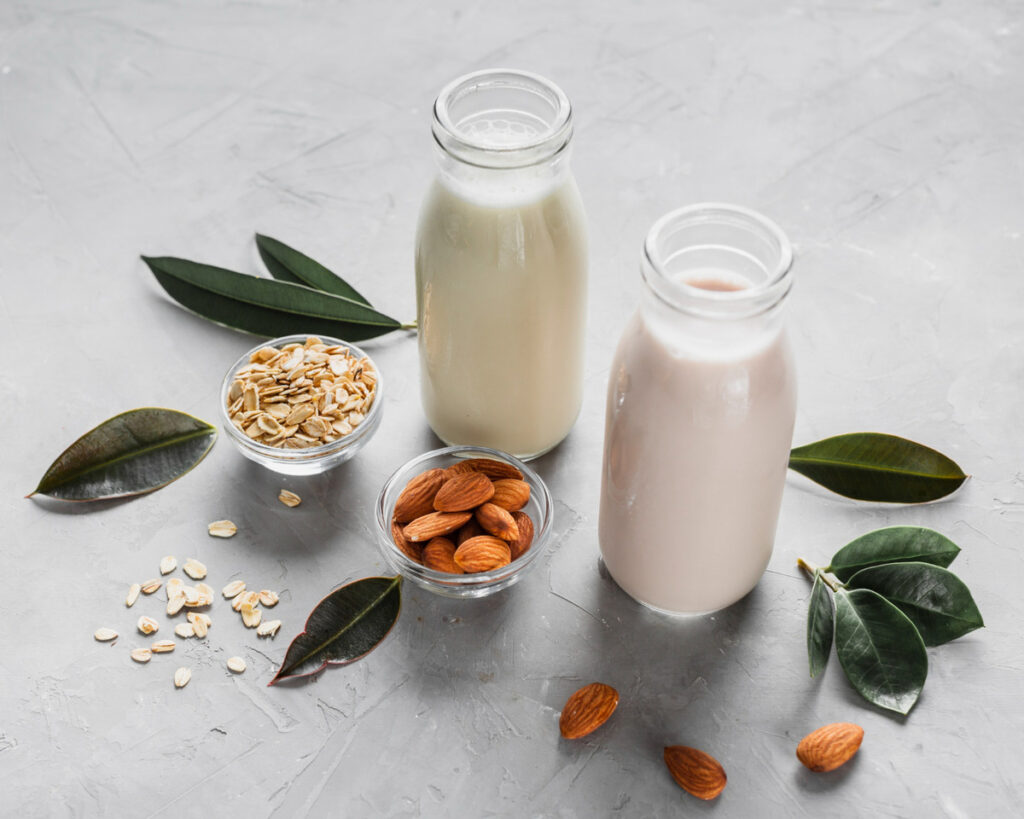
Almond vs macadamia milk for weight loss is a popular debate among people who want to replace dairy with plant-based alternatives.
Both types of nut milk provide distinct nutritional profiles, and each may support weight management in different ways.
Understanding their similarities and differences can help you choose the best option for your diet and lifestyle.

Almond vs Macadamia Milk for Weight Loss
Almond milk is one of the most widely consumed plant-based milks in the United States.
It is typically low in calories, especially when unsweetened, making it a common choice for people aiming to reduce overall energy intake.
Macadamia milk, while newer to the market, has been gaining popularity thanks to its creamy texture and high content of monounsaturated fats.
Although it is slightly higher in calories than almond milk, its fat composition may offer benefits for satiety and cardiovascular health.
When comparing almond vs macadamia milk for weight loss, the decision depends on whether your priority is calorie reduction or improved satiety.
Both can fit into a balanced diet, provided you select unsweetened versions free from unnecessary additives.
Nutritional Profile of Almond Milk
Unsweetened almond milk is generally very low in calories, with around 30 to 40 calories per cup.
It contains small amounts of protein and fat but is often fortified with calcium, vitamin D, and vitamin E.
Vitamin E acts as an antioxidant, protecting cells from oxidative damage and supporting skin health.
Because of its low calorie content, almond milk can easily replace higher-calorie beverages without significantly impacting daily energy intake.
The downside is its minimal protein, which may limit its ability to promote fullness when compared to dairy or soy milk.
Choosing almond milk without added sugar is essential, as flavored or sweetened varieties can add unnecessary calories.
Overall, almond milk is best suited for those prioritizing calorie control above all else.
Nutritional Profile of Macadamia Milk
Macadamia milk is higher in calories than almond milk, averaging around 50 to 70 calories per cup in unsweetened varieties.
What makes it unique is its fat profile, dominated by monounsaturated fatty acids similar to those found in olive oil.
These fats are linked to improved heart health, reduced inflammation, and enhanced satiety.
Macadamia milk is also fortified with nutrients such as calcium and vitamin D, supporting bone health.
Its smooth, creamy texture makes it popular for coffee, smoothies, and cooking.
Though slightly higher in calories, macadamia milk may keep you feeling full for longer periods, which can help reduce overall food intake.
However, like almond milk, it contains very little protein, so it should be combined with other protein-rich foods in a balanced diet.
Which One Fits Better in a Weight Loss Plan?
If your main goal is to reduce calorie intake as much as possible, almond milk may be the better option.
Its extremely low calorie content makes it easy to cut energy without sacrificing flavor.
On the other hand, if you value satiety and want a creamier, more satisfying alternative, macadamia milk may work better.
The healthy fats in macadamia milk can reduce hunger and cravings, which supports adherence to a weight loss diet.
Ultimately, both milks can be effective if used correctly and paired with nutrient-dense whole foods.
Your choice should reflect your personal goals, taste preferences, and overall nutrition plan.
Tips for Choosing and Using Plant-Based Milks for Weight Loss
Always choose unsweetened varieties of almond or macadamia milk to avoid added sugars.
Check the nutrition label to ensure minimal additives and the presence of key fortifications like calcium and vitamin D.
Use almond or macadamia milk in smoothies, overnight oats, or coffee as a way to add creaminess without excess calories.
Pair them with protein-rich foods like Greek yogurt, eggs, or legumes to create balanced meals that support satiety and weight control.
Avoid relying solely on nut milks as a protein source, since both are naturally low in this macronutrient.
Incorporating variety in your diet is important, so alternating between almond, macadamia, and other plant-based milks can provide diverse benefits.
How OrexiBurn Can Support Weight Loss Naturally
Beyond choosing the right plant-based milk, weight loss often requires additional metabolic support.
OrexiBurn is a natural supplement formulated to help regulate appetite, enhance fat metabolism, and support energy levels.
Its blend of ingredients, including L-arginine, citrus bioflavonoids, turmeric root, and jaboticaba extract, targets multiple aspects of metabolic health.
By promoting better appetite control, OrexiBurn can make it easier to stick to a calorie-conscious diet, whether you prefer almond or macadamia milk.
It is stimulant-free, non-GMO, and manufactured in GMP-certified facilities in the United States.
OrexiBurn aligns well with a clean, health-focused lifestyle that prioritizes whole foods and natural solutions.
Choose Smart and Boost Results With Natural Support
Both almond and macadamia milk can support your weight loss efforts, provided you choose wisely and use them as part of a balanced plan.
Almond milk offers a very low-calorie option, while macadamia milk provides creamy texture and healthy fats that improve satiety.
To maximize results, consider adding OrexiBurn to your daily routine for natural support with appetite regulation and metabolism.
To know more about OrexiBurn and how it can fit into your weight loss plan, visit the official website.