
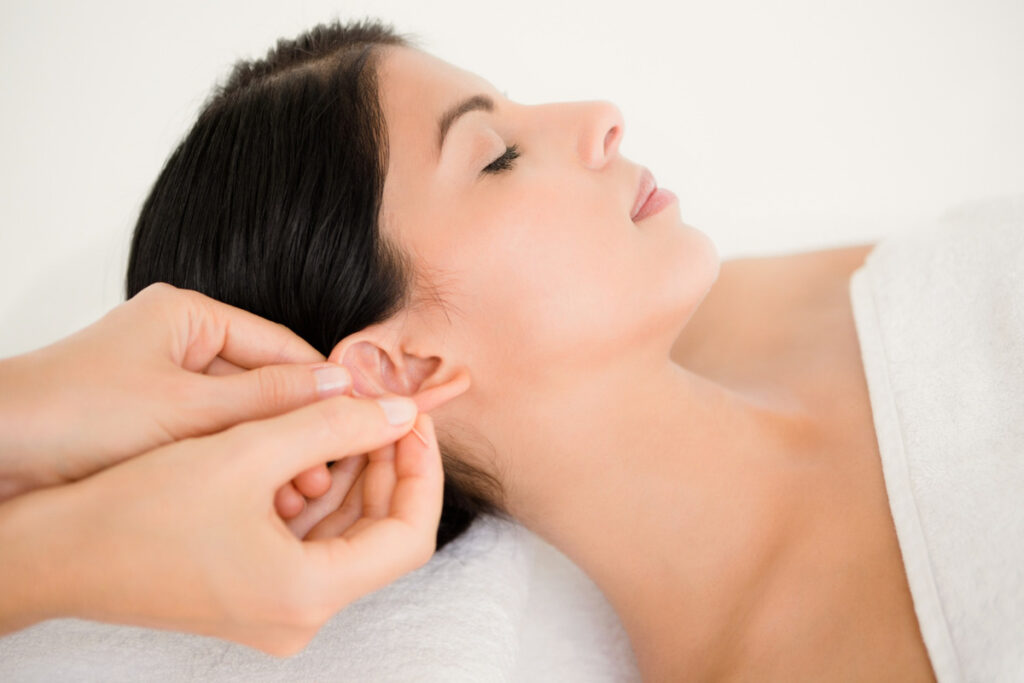
Acupressure for tinnitus is gaining interest among people seeking natural solutions for persistent ear ringing.
Tinnitus, the perception of sound without an external source, affects millions of adults and is often linked to stress, circulation issues, or nerve dysfunction.
Conventional treatments may help, but many individuals look to complementary practices like acupressure for additional relief.

This article explores how acupressure may influence tinnitus symptoms, the points most commonly used, and how it fits into a broader wellness strategy.
Acupressure for Tinnitus
Acupressure is a therapeutic technique rooted in Traditional Chinese Medicine (TCM).
It involves applying steady pressure to specific points on the body, believed to regulate the flow of energy, or qi.
In TCM, disruptions or blockages in this flow are thought to contribute to illness and discomfort, including tinnitus.
Unlike acupuncture, which uses needles, acupressure relies on fingers or specialized tools to stimulate points.
Practitioners claim that by pressing certain locations, they can enhance circulation, calm the nervous system, and restore balance to the body.
These effects may reduce the perception of ringing or buzzing in the ears.
Although the scientific evidence is still emerging, many people report subjective improvements after practicing acupressure.
How Acupressure May Influence Ear Health
The proposed mechanisms behind acupressure relate to both traditional concepts and modern physiology.
From a biomedical perspective, pressing on certain points may increase local blood circulation and reduce muscular tension.
Improved circulation can help deliver oxygen and nutrients to the auditory system.
It may also assist in clearing waste products that could interfere with nerve signaling.
Stress reduction is another potential benefit.
Since stress and anxiety often make tinnitus more noticeable, any practice that calms the nervous system may lessen symptom severity.
Research suggests that stimulating acupoints can influence the autonomic nervous system, reducing heart rate and promoting relaxation.
These effects may indirectly improve tinnitus management.
While the exact pathways remain unclear, both traditional and modern explanations support the potential role of acupressure.
Key Acupressure Points for Tinnitus Relief
Several acupoints are traditionally associated with ear health and tinnitus relief.
SI19 (Small Intestine 19), located just in front of the ear canal, is one of the most commonly used points.
Applying gentle but firm pressure here is believed to improve ear function and reduce ringing.
GB2 (Gallbladder 2), another point near the ear, is also frequently targeted for auditory issues.
Other points such as SJ17 (San Jiao 17), found behind the earlobe, and GB20 (Gallbladder 20), located at the base of the skull, are used to relieve tension and enhance circulation in the head and neck.
Acupressure can also involve distal points on the hands or feet that connect to ear health through meridian pathways.
For example, LI4 (Large Intestine 4) on the hand is commonly pressed to relieve stress and support overall balance.
Practicing acupressure at these points for a few minutes daily may provide noticeable relief for some individuals.
It is important to apply consistent, moderate pressure and to breathe deeply while performing the technique.
If discomfort occurs, the pressure should be reduced.
Evidence and Limitations of Acupressure for Tinnitus
Scientific studies investigating acupressure for tinnitus are limited but growing.
Some small clinical trials and case reports suggest improvements in tinnitus severity and quality of life after acupressure or related practices like acupuncture.
However, results are often mixed, and more rigorous studies are needed to confirm effectiveness.
One challenge in studying acupressure is the subjective nature of tinnitus.
Since the condition is experienced differently by each individual, measuring outcomes is complex.
Placebo effects may also play a role, as the relaxation and focused attention provided by acupressure can influence perception of symptoms.
Despite these limitations, acupressure remains a low-risk, non-invasive therapy.
When used alongside conventional medical care, it may provide meaningful relief for some patients.
Healthcare providers often emphasize that while acupressure is unlikely to cure tinnitus, it may help reduce its burden.
Integrating Acupressure into a Holistic Approach
Tinnitus is influenced by multiple factors, including circulation, nerve health, stress, and lifestyle.
Therefore, managing it often requires a multifaceted approach.
Acupressure can be a valuable addition to daily self-care routines.
Combining acupressure with relaxation techniques such as meditation, yoga, or deep breathing may enhance benefits.
Maintaining a balanced diet rich in antioxidants and omega-3 fatty acids supports neurological and cardiovascular health.
Protecting the ears from loud noise, limiting caffeine and alcohol intake, and prioritizing sleep are also essential.
For individuals with persistent tinnitus, working with healthcare providers ensures that underlying conditions like high blood pressure or hearing loss are properly addressed.
In this context, acupressure becomes part of a holistic plan rather than a standalone cure.
Natural Support for Tinnitus Relief
Alongside practices like acupressure, natural supplements may help reduce tinnitus intensity and improve quality of life.
Neuro Quiet is one such option, designed to support ear health, balance neurotransmitters, and promote relaxation.
Its formulation includes nutrients and plant extracts with antioxidant and neuroprotective effects.
By enhancing circulation, reducing oxidative stress, and calming the nervous system, Neuro Quiet may ease the perception of tinnitus.
Its sublingual spray format allows quick absorption and convenient daily use.
Many users appreciate its additional benefits for sleep quality, which is often disrupted in people with tinnitus.
For women and men alike, combining acupressure with Neuro Quiet can provide a comprehensive strategy for managing symptoms.
Find Relief with a Natural, Holistic Approach
Acupressure for tinnitus offers a safe, accessible practice that can complement conventional care and reduce the daily impact of ear ringing.
When paired with lifestyle changes and natural support, it can make a meaningful difference.
Neuro Quiet provides targeted nutrients to assist with ear health, neurological balance, and relaxation.
To know more about this product and how it may fit into your tinnitus management plan, visit this page.