
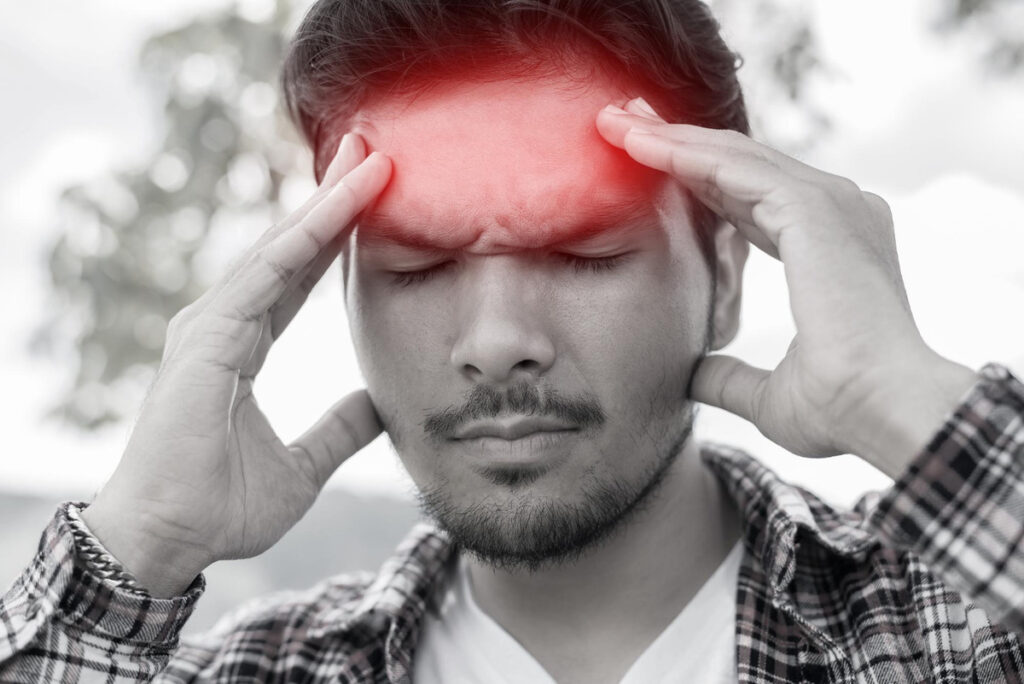
Tinnitus after concussion is a distressing symptom that many people experience following a head injury, often without understanding its cause or how to manage it.
A concussion — even a mild one — can interfere with auditory processing and trigger changes in the brain or ear structures that result in persistent ringing, buzzing, or whooshing sounds.
For some, these noises fade as the brain recovers, but in others, they become a chronic and disruptive condition.

Understanding the link between concussion and tinnitus is key to identifying effective treatment strategies and promoting neurological healing.
Tinnitus After Concussion
Tinnitus after concussion occurs when the trauma disrupts the brain’s auditory pathways or inner ear structures, leading to the perception of sound without an external source.
This symptom can begin immediately after the injury or develop over days or weeks as post-concussive effects evolve.
It is often described as a high-pitched ringing, humming, or static-like noise that may be constant or intermittent.
While not everyone who sustains a concussion develops tinnitus, studies suggest that auditory symptoms are more common among individuals with moderate or repeated brain injuries.
In many cases, the tinnitus reflects a combination of physical damage, neurochemical changes, and heightened sensitivity within the brain’s sound-processing centers.
How a Concussion Affects the Auditory System
A concussion can impact the auditory system at multiple levels — from the peripheral structures of the inner ear to the neural circuits responsible for interpreting sound.
Blunt trauma or whiplash may cause microdamage to the cochlea or the auditory nerve, leading to irregular signals being sent to the brain.
Injury to the temporal lobe or brainstem, which play critical roles in hearing and sound modulation, can further disrupt normal auditory perception.
Swelling or shifts in cerebrospinal fluid pressure may alter the functioning of surrounding tissues and nerves involved in balance and hearing.
Additionally, a concussion can trigger stress responses and neuroinflammation, which may amplify the brain’s perception of phantom sounds.
Types of Tinnitus Linked to Head Injury
Tinnitus after head trauma may present in different ways, depending on the location and severity of the injury.
Some individuals report unilateral tinnitus — meaning the noise is heard in only one ear — while others experience bilateral or generalized sound.
The sounds can be continuous or pulsatile, high-pitched or low, and may resemble ringing, whooshing, or even clicking.
Pulsatile tinnitus, in particular, may indicate a vascular component resulting from trauma-induced changes in blood flow near the auditory system.
Tinnitus may also co-occur with hearing loss, dizziness, vertigo, or headaches — making it difficult to isolate the root cause without thorough evaluation.
When Tinnitus After Concussion Becomes Chronic
For some, tinnitus resolves as the brain heals over the course of several weeks or months.
However, in a subset of patients, the noise persists beyond the acute recovery period and becomes a chronic condition.
Chronic tinnitus can disrupt sleep, concentration, emotional well-being, and overall quality of life.
Factors that increase the risk of chronic tinnitus after concussion include repeated head injuries, pre-existing hearing loss, unmanaged stress, and lack of early intervention.
Over time, the brain may maladapt to the presence of tinnitus, reinforcing the perception of sound even after the original injury has healed.
Diagnosis and Medical Evaluation
A full medical evaluation is essential to understand the cause and scope of tinnitus after concussion.
Diagnosis typically involves a neurological exam, audiological testing, and possibly imaging studies such as MRI or CT scans.
An ENT specialist and a neurologist may work together to assess both inner ear function and brain activity.
The goal is to rule out structural damage, vascular anomalies, or secondary issues like fluid buildup or nerve compression.
In many cases, no singular lesion is found, and tinnitus is attributed to functional disturbances that require symptom-based management.
Managing Symptoms and Promoting Recovery
Although there is no universal cure, several approaches can help reduce the intensity of tinnitus and improve daily functioning.
Sound therapy — including white noise machines, masking devices, or hearing aids — can reduce the contrast between the tinnitus and surrounding environment.
Cognitive behavioral therapy (CBT) and mindfulness-based techniques help individuals reframe their response to the noise, reducing stress and emotional distress.
Regular sleep, hydration, and avoidance of loud environments can minimize symptom aggravation.
Vestibular rehabilitation and neuroplasticity-based exercises may help retrain the brain and restore balance between auditory and sensory pathways.
For many patients, a combination of lifestyle adjustments and structured therapy offers the best outcomes.
A Natural Supplement to Support Auditory Recovery
For those seeking additional support in their tinnitus recovery journey, natural supplementation may offer meaningful benefits.
Neuro Quiet is a targeted formula developed to promote auditory health and reduce the perception of internal ear noise.
Its blend of neuroprotective and anti-inflammatory ingredients supports the brain-ear connection, helps modulate stress, and encourages calm auditory processing.
When tinnitus follows a concussion, these gentle yet effective compounds may aid in the recovery process by supporting both neurological balance and circulatory health.
If you’re looking for a natural way to assist your ears and mind in healing, visit the site to learn more.