
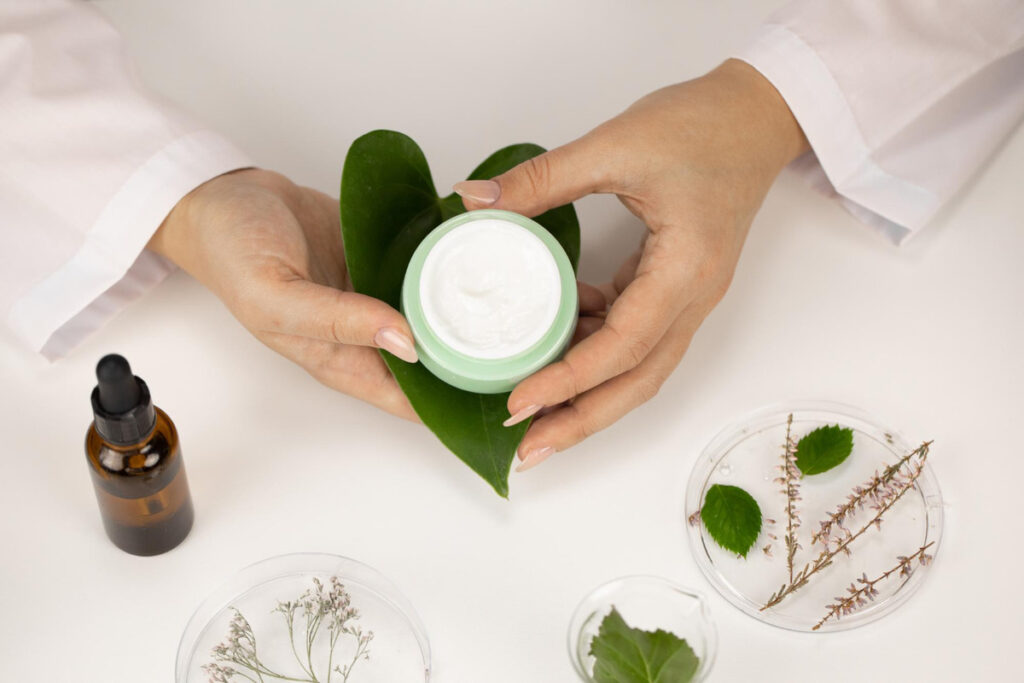
Vegan skin care products are gaining popularity as more consumers seek ethical, plant-based solutions that support skin health without compromising on values.
Unlike conventional options, these formulations exclude all animal-derived ingredients and typically align with cruelty-free practices, making them ideal for individuals who prioritize both performance and compassion.
In this article, we’ll explore what vegan skin care products are, their most effective ingredients, how they differ from other labels, and why they can be particularly beneficial for rejuvenating and sensitive skin.

Vegan Skin Care Products
The term “vegan skin care products” refers to topical cosmetics made entirely without animal-derived components such as beeswax, lanolin, collagen, or carmine.
These products rely on plant-based alternatives to deliver hydration, nourishment, and anti-aging benefits to the skin.
While vegan formulations are not inherently organic or chemical-free, many brands that embrace vegan standards also avoid harsh additives like sulfates and parabens.
Vegan beauty is also closely tied to sustainability, as plant-based ingredients generally require fewer resources to produce and create a lower environmental impact.
Consumers choose vegan skin care not only for ethical reasons but also for the belief that plant-powered solutions are gentler and more in harmony with the skin’s natural balance.
Key Ingredients Found in Vegan Skin Care
Vegan products incorporate a wide range of botanical ingredients known for their restorative and rejuvenating properties.
Aloe vera is a staple due to its hydrating, soothing, and anti-inflammatory effects, especially for dry or irritated skin.
Oils such as jojoba, argan, rosehip, and marula mimic the skin’s natural sebum and support elasticity and repair without clogging pores.
Green tea extract offers powerful antioxidant protection against free radicals and UV damage.
Plant-derived hyaluronic acid, often fermented from vegetables, helps retain moisture and smooth fine lines.
Other common components include chamomile, calendula, witch hazel, gotu kola, and vitamin-rich fruit and seed extracts.
These ingredients not only nourish but also promote cellular regeneration and resilience.
Are Vegan Products Better for Your Skin?
Vegan skin care products can offer several advantages, especially for those with sensitive, acne-prone, or aging skin.
By eliminating common animal-based irritants and fillers, vegan formulas often reduce the likelihood of allergic reactions or clogged pores.
Because many vegan brands emphasize clean beauty standards, they tend to exclude harsh chemicals, synthetic fragrances, and unnecessary preservatives.
This makes them gentler on the skin barrier and less likely to trigger inflammation or imbalance.
Additionally, plant-based actives frequently contain bioavailable nutrients that support skin health naturally.
While not every vegan product is automatically superior, those with high-quality, minimally processed ingredients can deliver outstanding results.
Vegan vs. Cruelty-Free: What’s the Difference?
Although often used interchangeably, “vegan” and “cruelty-free” are not the same.
A vegan product contains no animal-derived ingredients, while a cruelty-free product has not been tested on animals during any stage of production.
It’s possible for a product to be cruelty-free but still contain ingredients like honey, collagen, or milk-derived enzymes.
For truly ethical skin care, consumers should look for both labels and verify claims through certifications like Leaping Bunny, PETA, or Vegan Society.
Transparency from the manufacturer is key, and ingredient lists should always be reviewed to confirm alignment with vegan standards.
Benefits for Sensitive and Aging Skin
Vegan skin care products are particularly beneficial for mature or sensitive skin due to their anti-inflammatory and antioxidant-rich formulations.
Natural extracts like green tea, chamomile, and calendula help calm redness, reduce oxidative stress, and protect against environmental aggressors.
Botanical oils and hyaluronic acid derived from plants improve hydration and elasticity, reducing the appearance of wrinkles and fine lines.
Vitamin C from fruit extracts brightens dull skin, evens out tone, and stimulates collagen synthesis over time.
Because these formulas often exclude alcohols, sulfates, and artificial dyes, they are less likely to cause irritation or exacerbate conditions like rosacea or eczema.
Vegan products also tend to be lighter in texture, which benefits skin that becomes thinner or drier with age.
What to Avoid When Choosing Vegan Products
Not all products labeled “vegan” are created equal, and some may still contain harsh or synthetic additives.
Watch for fragrances, parabens, phthalates, and phenoxyethanol — ingredients that can disrupt hormones or irritate sensitive skin.
Beware of greenwashing, where brands market themselves as natural or vegan without truly meeting those standards.
Opt for products with transparent labeling, recognizable plant-based ingredients, and certifications that verify vegan and cruelty-free claims.
It’s also wise to do a patch test when trying a new product, even if it is labeled vegan, to ensure it suits your individual skin type.
A Natural Approach to Skin Rejuvenation
If you’re searching for a vegan solution that visibly improves skin texture, tone, and elasticity, Illuderma offers a clean and effective alternative.
This serum combines 16 plant-based actives — including hyaluronic acid, vitamin C, green tea, and jojoba oil — to combat the most common signs of aging.
Its lightweight, toxin-free formula deeply hydrates, brightens the complexion, and supports collagen production naturally.
Ideal for daily use on all skin types, Illuderma is crafted without parabens, artificial fragrances, or animal testing.
To explore how this rejuvenating vegan serum can enhance your skincare routine, visit the official site.