
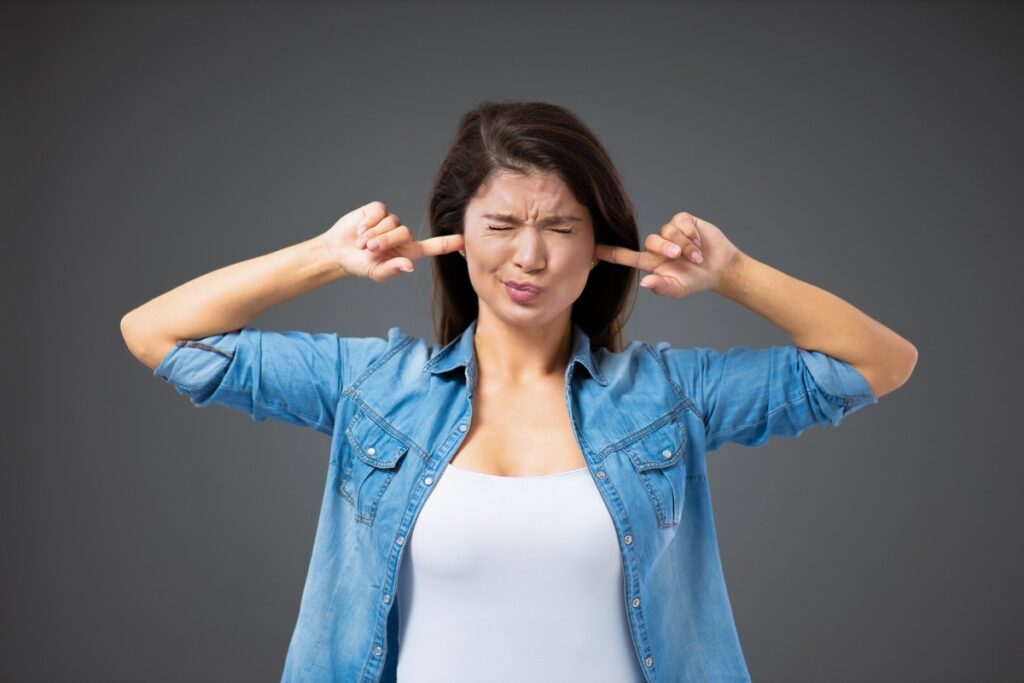
Hearing strange sounds in your ears can be both annoying and concerning — especially if you’re left wondering, “why is my ear making popping noises?”
While occasional ear popping is normal, frequent or unexplained noises may signal an issue with pressure regulation, ear structures, or even a deeper auditory imbalance.
In this article, we explore the common reasons behind ear popping, when to worry, and how to care for your ear health naturally.

Why Is My Ear Making Popping Noises?
Many people search “why is my ear making popping noises” when they experience unfamiliar sounds inside their ears.
Popping, crackling, or clicking sounds in the ear can be occasional or persistent, and may or may not be accompanied by other symptoms.
Understanding the root cause of these sensations is essential to determine whether it’s a harmless phenomenon or a sign of an underlying issue.
These noises often involve the middle ear, where pressure changes and mechanical dysfunctions are most likely to produce sound.
Identifying whether the popping is momentary or chronic helps narrow down potential causes and appropriate treatments.
Normal vs. Abnormal Ear Popping
Ear popping can be a completely normal response to changes in atmospheric pressure.
For example, when you ascend in an airplane, drive through mountains, or even swallow or yawn, the Eustachian tubes open to equalize pressure, often resulting in a pop.
In these cases, the sound is brief, painless, and self-resolving.
However, if the popping occurs frequently without any clear external trigger — or is accompanied by pain, hearing loss, or fullness — it may be a sign of an underlying problem.
Persistent popping may indicate fluid in the middle ear, dysfunction of the pressure-regulating structures, or inflammation that requires medical evaluation.
Eustachian Tube Dysfunction: A Common Culprit
The Eustachian tubes are narrow canals that connect the middle ear to the back of the nose and upper throat.
Their main job is to maintain equal air pressure on both sides of the eardrum, which is crucial for hearing clarity and ear comfort.
When these tubes become inflamed, blocked, or slow to open, the pressure can’t equalize properly.
This results in a popping sensation, muffled hearing, or even discomfort in one or both ears.
Common causes of Eustachian tube dysfunction include colds, sinus infections, allergies, or anatomical differences.
In many cases, the dysfunction resolves on its own, but persistent or recurrent symptoms may require nasal sprays, decongestants, or physical maneuvers like the Valsalva technique.
Could It Be Tinnitus?
Tinnitus typically presents as a ringing or buzzing in the ears, but in some cases, it can sound like clicking, tapping, or popping.
This is especially true for pulsatile tinnitus, a rare form in which the sounds are rhythmic and may match the heartbeat.
These internal sounds are often linked to vascular or muscular activity near the ear and are not caused by external noise.
If you hear a repetitive popping noise that no one else can hear, and it doesn’t correlate with pressure changes, tinnitus may be involved.
Some types of objective tinnitus — caused by muscle spasms or vascular irregularities — can mimic the sensation of popping.
Consulting an ENT or audiologist can help determine whether the noise is tinnitus-related and identify possible treatments.
Other Possible Causes: From Allergies to TMJ
Several other conditions may lead to popping sounds in the ear, particularly when they affect surrounding structures.
Seasonal allergies and nasal congestion can block normal airflow and pressure regulation in the sinuses and ears.
Earwax buildup may trap air or interfere with sound transmission, producing crackling or popping noises.
Temporomandibular joint (TMJ) disorders — which affect the joint near the ear — can cause clicking or popping during chewing, talking, or yawning.
Even the frequent use of earbuds or headphones may alter pressure dynamics or contribute to ear canal irritation.
Each of these factors can introduce or amplify ear noises, especially when combined with preexisting auditory sensitivity.
When to Seek Medical Advice
Occasional ear popping that resolves quickly and doesn’t affect hearing is usually harmless.
However, if the popping is frequent, painful, or associated with hearing loss, drainage, or a feeling of fullness, medical evaluation is important.
Signs of infection, such as fever, dizziness, or foul-smelling ear discharge, should never be ignored.
Likewise, if the noise is continuous and cannot be explained by external pressure changes or temporary conditions, tinnitus or neurological causes may be at play.
Early assessment by a healthcare provider can help rule out serious issues and recommend the appropriate course of action.
Natural Ways to Support Ear Health
Simple lifestyle adjustments can help reduce the risk of persistent ear popping and support overall auditory function.
Stay hydrated, especially during flights or allergy seasons, to keep mucus membranes functioning properly.
Use antihistamines or decongestants as advised during colds or allergy flare-ups to reduce inflammation.
Avoid inserting objects into the ear canal, and clean ears gently to prevent wax impaction.
Manage stress through mindfulness, relaxation techniques, or physical activity — as tension and anxiety may heighten the perception of internal sounds.
Finally, consider natural supplements that support neurological and vascular balance in the auditory system.
A Complementary Option for Tinnitus Relief
When ear popping is linked to internal imbalances or tinnitus, relief may require more than treating the ear alone.
Neuro Quiet is a natural supplement formulated to support auditory health by promoting calm neural activity, improving circulation, and reducing internal noise perception.
Its ingredients target the brain-ear connection, helping to modulate stress responses and restore sound clarity.
If you’re looking for a gentle yet comprehensive way to support your ear health, visit the site to learn more.