
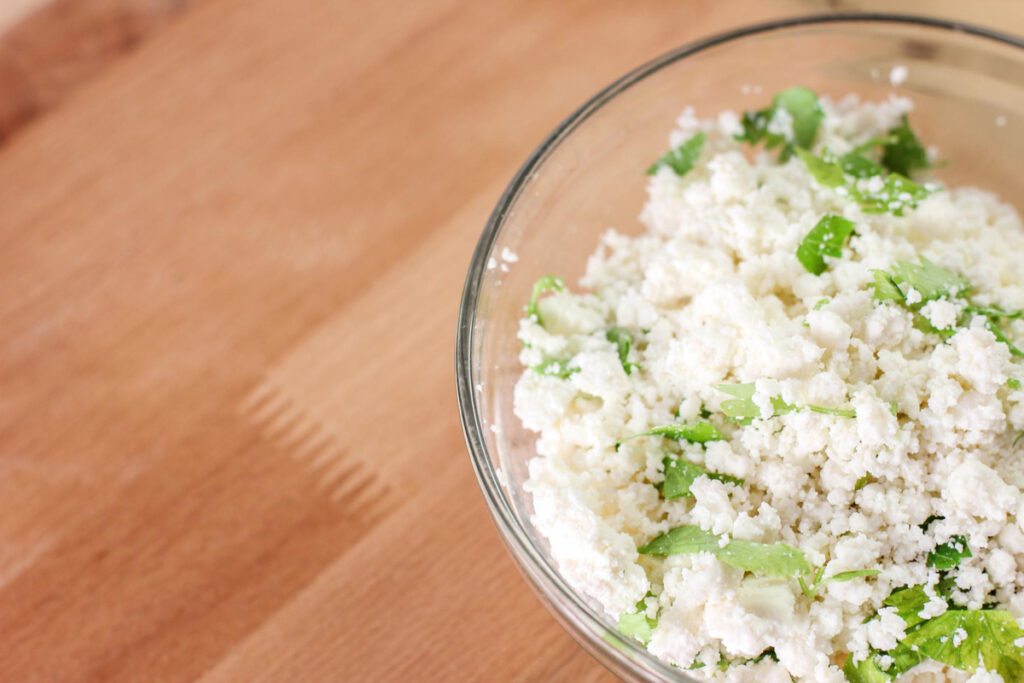
Is cauliflower rice good for diabetics?
Many people managing diabetes are constantly searching for foods that help regulate blood sugar while still providing satisfaction and flavor.
Cauliflower rice has gained popularity as a versatile and nutritious substitute for traditional rice, offering fewer carbohydrates and more fiber.

For diabetics, these qualities make it an excellent choice for supporting blood sugar stability and overall metabolic health.
Understanding how cauliflower rice affects the body can help you decide whether it deserves a place in your daily diet.
Is Cauliflower Rice Good for Diabetics?
Cauliflower rice is indeed a good option for diabetics due to its low carbohydrate content and minimal impact on blood glucose levels.
Unlike white or even brown rice, which contain significant amounts of starch, cauliflower rice is made from finely chopped or grated cauliflower florets.
One cup of cauliflower rice contains only about 25 calories and 5 grams of carbohydrates, compared to over 200 calories and 45 grams of carbs in an equivalent serving of white rice.
This dramatic difference means that cauliflower rice does not cause rapid spikes in blood sugar, helping diabetics maintain more stable glucose readings.
In addition, cauliflower is high in fiber, which slows digestion and helps regulate insulin response.
Its fiber content promotes satiety, reducing the likelihood of overeating and supporting weight management, which is crucial for people with diabetes.
The vegetable also contains compounds like sulforaphane, a powerful antioxidant known to reduce inflammation and support healthy blood vessels.
By replacing refined grains with cauliflower rice, diabetics can enjoy flavorful meals while keeping carbohydrate intake under control.
Nutritional Profile of Cauliflower Rice
Cauliflower rice is rich in essential nutrients that promote both metabolic and cardiovascular health.
It provides vitamin C, which supports immune function and acts as a potent antioxidant.
Vitamin K in cauliflower contributes to bone health and helps regulate blood clotting.
Folate, another key nutrient found in cauliflower, supports red blood cell production and cellular energy metabolism.
Additionally, the vegetable contains small amounts of potassium, magnesium, and calcium — all important for blood pressure regulation and nerve function.
Cauliflower also contains glucosinolates, plant-based compounds that may protect cells from oxidative damage and improve liver detoxification processes.
This nutritional composition makes cauliflower rice not only a low-carb substitute but also a nutrient-dense addition to a diabetic-friendly meal plan.
How Cauliflower Rice Affects Blood Sugar Levels
The main reason cauliflower rice benefits diabetics lies in its very low glycemic index.
Foods with a low glycemic index release glucose slowly into the bloodstream, avoiding sharp rises in blood sugar.
Because cauliflower rice has so few carbohydrates, its effect on blood glucose is minimal compared to traditional rice.
Its fiber content further helps slow carbohydrate absorption, ensuring a more gradual insulin response.
This steady effect can improve insulin sensitivity over time, supporting long-term glucose management.
Cauliflower is also naturally high in water, which contributes to a feeling of fullness and supports hydration.
By maintaining stable blood sugar levels and preventing hunger spikes, cauliflower rice helps diabetics achieve better energy balance throughout the day.
Comparing Cauliflower Rice to White and Brown Rice
When comparing cauliflower rice to traditional rice varieties, the differences in nutritional impact are significant.
White rice has a high glycemic index, meaning it can cause quick blood sugar spikes after meals.
Even brown rice, though higher in fiber, still contains a substantial amount of carbohydrates that affect glucose levels.
Cauliflower rice, by contrast, has almost no starch and a very low calorie count.
Its mild flavor and texture make it a versatile replacement in dishes like stir-fries, burrito bowls, and curries.
Replacing white or brown rice with cauliflower rice allows diabetics to enjoy satisfying meals while maintaining better glycemic control.
It also supports weight loss efforts, which can further improve insulin function and reduce diabetes-related risks.
For those newly adjusting to a lower-carb diet, combining cauliflower rice with flavorful seasonings and healthy fats helps make the transition enjoyable and sustainable.
Tips for Adding Cauliflower Rice to a Diabetic-Friendly Diet
Incorporating cauliflower rice into a diabetic meal plan is simple and rewarding.
You can make it at home by pulsing fresh cauliflower florets in a food processor until they resemble grains of rice.
Lightly sautéing the rice in olive oil or avocado oil enhances flavor and texture while preserving nutrients.
To create balanced meals, pair cauliflower rice with lean proteins such as grilled chicken, fish, or tofu.
Adding healthy fats like avocado, nuts, or olive oil further stabilizes blood sugar and promotes satiety.
Include non-starchy vegetables like spinach, broccoli, and zucchini for added fiber and antioxidants.
For meal prep convenience, cauliflower rice can be frozen and reheated without losing texture or flavor.
Use herbs, garlic, lemon juice, or low-sodium seasonings to enhance taste without increasing sodium intake.
Avoid heavy sauces or added sugars that can undermine its blood sugar benefits.
Other Low-Carb Alternatives for Diabetics
While cauliflower rice is one of the best low-carb options, several other substitutes can help manage diabetes.
Quinoa provides more protein and essential amino acids, although it should be portioned carefully due to its higher carb content.
Shirataki rice, made from konjac root, contains almost no calories or digestible carbohydrates.
Zucchini noodles, or “zoodles,” offer a fresh and fiber-rich base for diabetic-friendly meals.
Broccoli rice and cabbage rice are other nutritious alternatives that provide variety while keeping carb intake low.
Rotating between these options helps prevent dietary monotony and supports nutrient diversity.
All of these foods, like cauliflower rice, contribute to improved glycemic control and better metabolic health.
Natural Support for Blood Sugar Balance
In addition to making smart dietary choices, some people benefit from natural supplementation to maintain healthy glucose levels.
GlycoFortin is a liquid supplement formulated specifically to support blood sugar balance and metabolic function.
It combines plant-based ingredients such as chromium, green tea, guaraná, ginseng Panax, Gymnema Sylvestre, maca, and grape seed extract.
These compounds work synergistically to enhance insulin sensitivity, reduce glucose absorption in the gut, and combat inflammation.
By promoting more efficient energy use and reducing sugar cravings, GlycoFortin complements a balanced diabetic diet.
Its easy-to-use dropper makes daily intake convenient and consistent.
Produced in FDA-registered facilities following GMP standards, GlycoFortin is free from artificial stimulants and genetically modified ingredients.
For diabetics looking to stabilize blood sugar naturally, GlycoFortin provides a powerful, science-informed option.
Support Your Blood Sugar Naturally
Cauliflower rice is an excellent choice for diabetics seeking to enjoy flavorful, satisfying meals without the burden of excess carbohydrates.
Combined with other healthy lifestyle habits and natural support, it can make a noticeable difference in glucose control and energy balance.
GlycoFortin offers targeted nutritional support for maintaining stable blood sugar and enhancing overall metabolic health.
To learn more about this natural supplement and explore how it can support your diabetes management plan, visit the official GlycoFortin website.