Hearing protection for tinnitus is essential for anyone living with ear ringing or buzzing, as it helps prevent worsening symptoms and preserves auditory health.
Tinnitus often arises after prolonged exposure to loud noise, but even moderate levels of sound can intensify the condition once the ears are already sensitive.
Taking proactive steps to protect your hearing can reduce discomfort, minimize flare-ups, and help maintain long-term ear function.

Understanding how noise affects tinnitus and what protection options exist is the first step toward relief and prevention.
Hearing Protection for Tinnitus
Tinnitus occurs when the delicate hair cells in the inner ear become damaged and send irregular signals to the brain.
Exposure to loud noise is one of the most common causes of this damage.
Once these sensory cells are compromised, they cannot regenerate, which is why preventing additional harm is critical.
Hearing protection reduces the intensity and duration of harmful sound exposure.
Prolonged noise above 85 decibels — roughly the sound level of heavy traffic or a hair dryer — can lead to further auditory damage.
For individuals with tinnitus, even lower levels may trigger spikes in ringing or sensitivity.
Using proper hearing protection in everyday situations is therefore an essential part of managing tinnitus and avoiding permanent deterioration.
How Noise Exposure Affects Tinnitus
Noise exposure impacts tinnitus through both physical and neurological mechanisms.
Loud or sustained sound waves overstimulate the tiny hair cells of the cochlea, leading to inflammation and oxidative stress.
As these cells die or malfunction, the auditory nerve sends distorted signals that the brain interprets as phantom sounds.
This can manifest as ringing, buzzing, or hissing in one or both ears.
Over time, repeated noise exposure can make the brain hypersensitive to sound, a condition known as hyperacusis.
This increased sensitivity can make tinnitus seem louder or more intrusive.
By limiting exposure to loud environments and using hearing protection consistently, individuals can help stabilize tinnitus and prevent progression.
Best Types of Hearing Protection for Tinnitus
The best hearing protection for tinnitus depends on the type of noise and setting you are exposed to.
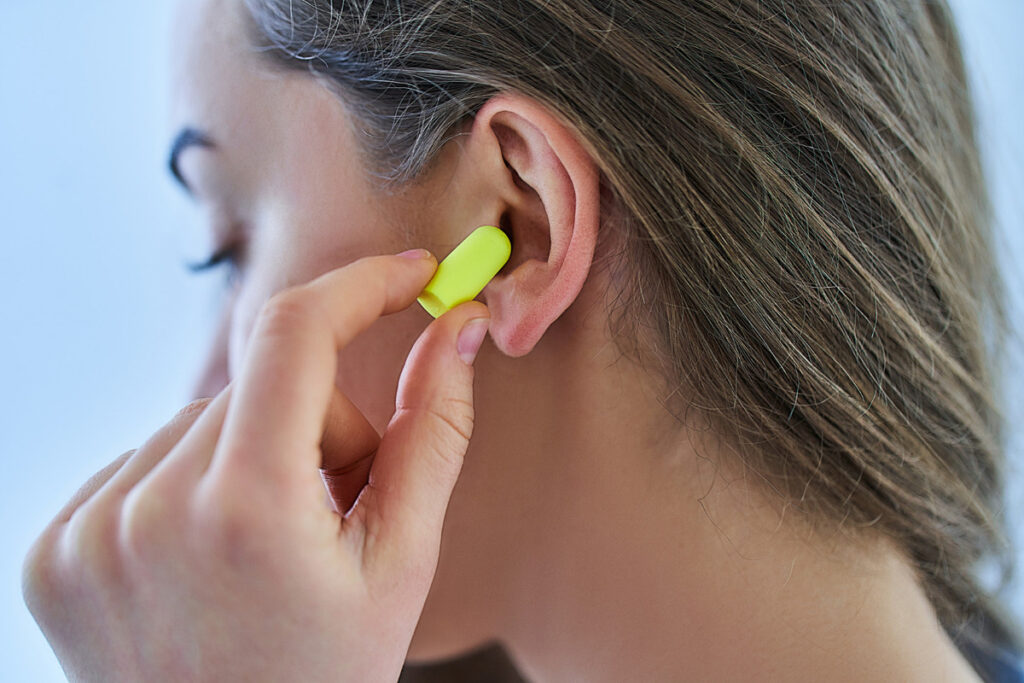
Foam earplugs are inexpensive and effective for blocking steady noises like snoring or loud machinery.
Silicone or moldable earplugs offer a custom fit and better comfort for extended use.
For frequent exposure to high-decibel environments, such as concerts or construction sites, musician’s earplugs are a superior option.
They reduce sound evenly across frequencies, preserving clarity while lowering volume.
Electronic hearing protectors or noise-canceling headphones are ideal for fluctuating noise levels.
They automatically adjust attenuation, making them useful for those who need situational awareness, such as during travel or work.
For daily commuters or office workers, over-ear noise-canceling headsets can help reduce background hum and relieve auditory strain.
Choosing the right protection based on your lifestyle ensures consistent prevention and comfort.
Everyday Habits to Protect Your Hearing
Hearing protection goes beyond wearing earplugs.
It involves adopting habits that minimize noise exposure in daily life.
Keep headphone volumes below 60% of maximum output and limit listening time to no more than 60 minutes at a stretch.
Use smartphone decibel meter apps to monitor environmental noise and recognize when protection is necessary.
Take regular breaks in quiet areas to allow your ears to recover after noisy activities.
Avoid staying near loudspeakers or machinery whenever possible.
If you attend concerts or sporting events, bring reusable earplugs and wear them consistently.
Lower the volume on car audio systems and avoid blasting music directly into your ears.
These small but consistent adjustments reduce cumulative sound exposure, which is vital for anyone managing tinnitus.
When to Seek Professional Help
While self-care strategies can significantly improve tinnitus management, medical evaluation remains important.
If you experience a sudden increase in tinnitus loudness, hearing loss, dizziness, or pain, contact an audiologist or otolaryngologist.
A professional can assess the cause and determine whether there is an underlying condition such as earwax buildup, infection, or circulatory issues.
Specialists may also fit you with custom-molded earplugs that offer precise protection without muffling useful sounds.
They can recommend sound therapy or cognitive behavioral therapy to reduce the emotional burden of tinnitus.
Early evaluation and ongoing professional guidance ensure the best long-term outcomes for auditory health.
Natural Support to Help Manage Tinnitus
Alongside hearing protection and medical care, certain supplements can support ear and nerve health.
Neuro Quiet is a natural supplement formulated to help reduce the perception of tinnitus, promote relaxation, and support neurological balance.
Its unique blend of nutrients and botanical extracts works to improve microcirculation in the inner ear and reduce oxidative stress that may worsen tinnitus.
By addressing inflammation and supporting neurotransmitter function, Neuro Quiet can complement lifestyle and sound protection strategies.
The product’s sublingual spray format ensures efficient absorption and convenience for daily use.
Many users report improvements in sleep quality and stress reduction, both of which are crucial in managing tinnitus.
When used consistently as part of a comprehensive care plan, Neuro Quiet can enhance auditory resilience and overall well-being.
Protect Your Hearing and Support Your Recovery Naturally
Protecting your ears is one of the most powerful steps you can take to manage tinnitus and prevent further hearing damage.
Combining effective hearing protection, mindful noise habits, and natural supplementation offers a holistic approach to relief.
Neuro Quiet provides targeted support for auditory and neurological health, helping to ease tinnitus and promote relaxation.
To know more about this product and how it can fit into your wellness journey, visit this page.