Does alcohol make tinnitus worse?
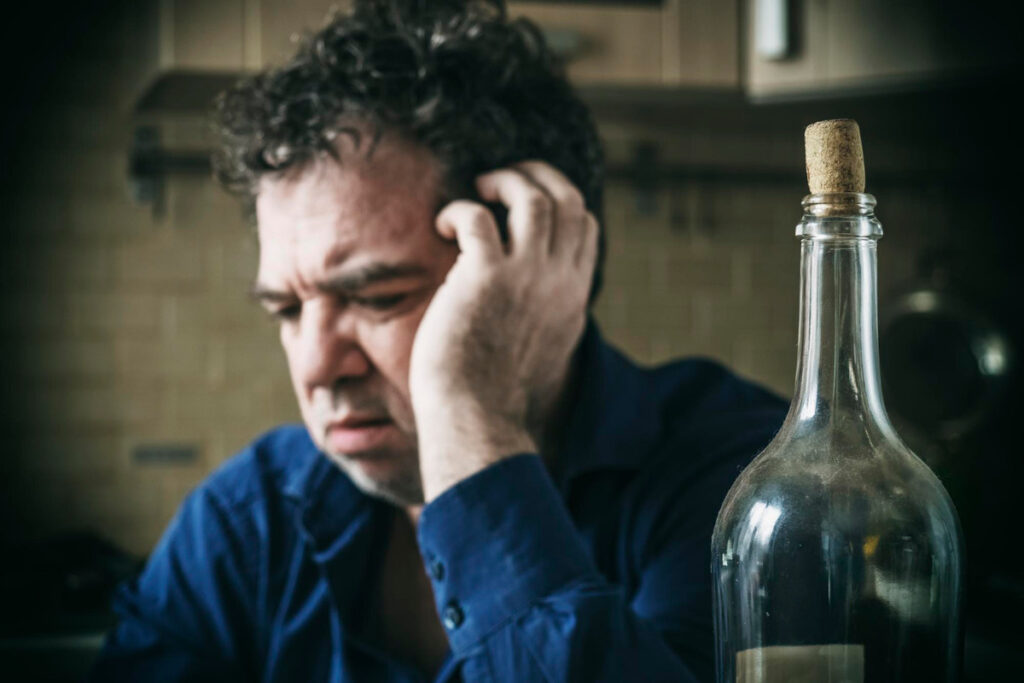
Many people who experience ringing, buzzing, or hissing in their ears notice that these sounds become more intense after drinking alcohol.
Tinnitus affects millions of adults worldwide, and its triggers can vary from stress to certain medications or dietary choices.

Alcohol, a substance that influences the nervous system and blood circulation, may also play a significant role in how tinnitus manifests or fluctuates.
Understanding how alcohol interacts with the auditory system is essential for anyone looking to manage their tinnitus symptoms effectively.
Does Alcohol Make Tinnitus Worse?
Alcohol can make tinnitus worse for some individuals due to its effects on the body’s vascular and neurological systems.
When consumed, alcohol acts as a vasodilator, meaning it widens blood vessels and increases blood flow throughout the body, including the inner ear.
While this may temporarily create a sensation of warmth or relaxation, it can also lead to imbalanced blood circulation in the delicate structures responsible for hearing.
These changes may heighten the perception of tinnitus sounds or make them more persistent.
Additionally, alcohol can alter the function of neurotransmitters in the brain.
Neurotransmitters are chemicals that help regulate communication between nerve cells, including those involved in auditory processing.
When alcohol disrupts these pathways, it may interfere with how the brain interprets sound signals, leading to increased tinnitus awareness.
For individuals already dealing with auditory sensitivity or existing hearing loss, alcohol consumption can further amplify these effects.
How Alcohol Affects the Auditory System
The auditory system depends on precise coordination between the ear, auditory nerve, and brain.
Alcohol disrupts this balance in several ways.
First, it affects the cochlea — the spiral-shaped structure in the inner ear that converts sound waves into electrical signals.
Alcohol-induced changes in blood flow can cause temporary swelling or pressure fluctuations in this area, affecting hearing clarity.
Second, alcohol is a diuretic, meaning it increases fluid loss through urination.
This can lead to dehydration, reducing fluid balance within the inner ear, which may intensify tinnitus.
Third, excessive drinking can elevate blood pressure or, conversely, cause sudden drops depending on the individual’s physiology.
Both extremes can disrupt the normal function of auditory pathways.
Lastly, chronic alcohol use is associated with oxidative stress and nerve inflammation, two processes that may damage the auditory nerve and increase tinnitus risk.
Why Some People Experience Louder Tinnitus After Drinking
Not everyone with tinnitus reacts the same way to alcohol.
For some, even moderate drinking can cause noticeable increases in ringing, while others may experience little to no change.
Several factors explain this variability.
Dehydration plays a key role since fluid imbalance affects inner ear function.
Alcohol also interferes with sleep quality, and poor sleep is a well-known trigger for heightened tinnitus perception.
Moreover, individuals who are more sensitive to changes in blood pressure or who take medications that interact with alcohol may be more prone to worsening symptoms.
Stress levels, overall diet, and the presence of other health conditions — such as high cholesterol or cardiovascular disease — can further amplify these effects.
Even genetic differences in how the body metabolizes alcohol can influence tinnitus severity after drinking.
Safe Drinking Habits for People with Tinnitus
For those who wish to enjoy alcohol occasionally, moderation and mindfulness are key.
Start by limiting intake to one standard drink per day or less.
Alternate alcoholic beverages with water to stay hydrated and reduce the risk of dehydration-related tinnitus flare-ups.
Avoid sugary cocktails and drinks high in caffeine, which can further irritate the nervous system and exacerbate tinnitus.
Consuming alcohol too close to bedtime can disrupt REM sleep, which worsens both tinnitus perception and overall fatigue.
If you take prescription medications, especially for blood pressure or anxiety, consult your healthcare provider about potential interactions.
Keep a symptom journal to identify whether certain drinks or quantities tend to trigger stronger tinnitus responses.
This awareness helps you make informed decisions about your alcohol consumption.
When to Seek Medical Advice About Tinnitus and Alcohol
If tinnitus worsens noticeably after drinking or becomes constant, it’s important to seek medical evaluation.
An audiologist or ear, nose, and throat specialist (ENT) can assess whether alcohol is a direct trigger or if underlying hearing loss is contributing to your symptoms.
In some cases, tinnitus linked to alcohol may be a sign of elevated blood pressure, vascular issues, or nutritional deficiencies.
Your healthcare provider may recommend lifestyle changes, medication adjustments, or further diagnostic testing.
It’s especially important to seek help if tinnitus is accompanied by dizziness, hearing loss, or balance problems.
Early intervention can prevent worsening of auditory damage and improve quality of life.
Natural Support for Tinnitus Relief
For individuals looking for natural support to complement lifestyle changes, certain supplements can help reduce the perception of tinnitus and support neurological health.
Neuro Quiet is a natural spray supplement designed to promote auditory well-being and help calm the nervous system.
Its formulation combines ingredients with antioxidant, anti-inflammatory, and neuroprotective properties to support microcirculation and reduce stress that may worsen tinnitus.
By improving nerve communication and promoting relaxation, Neuro Quiet can help manage tinnitus intensity and improve sleep quality.
Its sublingual spray delivery allows for efficient absorption and ease of use as part of a daily routine.
When combined with healthy habits like hydration, stress control, and balanced nutrition, Neuro Quiet can be a valuable tool for those seeking a holistic approach to tinnitus management.
Listen to Your Body and Support Your Ears Naturally
If you notice your tinnitus becomes more pronounced after drinking, it may be your body’s way of signaling sensitivity to alcohol’s effects.
Understanding and moderating your intake can make a meaningful difference in symptom control.
To further support your ear health and reduce tinnitus naturally, consider learning more about Neuro Quiet—a gentle, science-informed supplement formulated to promote auditory balance and relaxation.
To know more about this product and how it can help, visit this page.