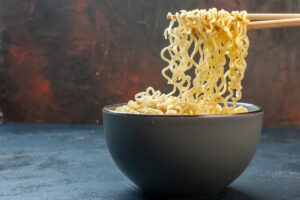

Foods that cause tinnitus are often underestimated triggers that can make ringing, buzzing, or hissing in the ears worse.
Tinnitus is a condition influenced by multiple factors, including noise exposure, circulatory health, and stress, but diet also plays an important role.
Certain foods can aggravate symptoms by affecting blood flow, fluid retention, and nervous system activity.

Recognizing and limiting these dietary triggers can help manage tinnitus more effectively.
Foods That Cause Tinnitus
Not everyone with tinnitus reacts to the same foods, but several categories are consistently reported as problematic.
These foods may increase blood pressure, disrupt circulation, or overstimulate the nervous system.
Avoiding or moderating these items may reduce the intensity or frequency of ear ringing.
High-Sodium Foods and Fluid Retention
Excess sodium is a common dietary factor that worsens tinnitus.
Salty foods such as processed meats, canned soups, fast food, and packaged snacks can increase fluid retention and blood pressure.
This extra pressure can affect the inner ear, leading to more noticeable tinnitus symptoms.
People with hypertension are particularly vulnerable because sodium can intensify both cardiovascular and auditory stress.
Lowering sodium intake by choosing fresh, unprocessed foods can support overall ear health.
Sugary Foods and Blood Sugar Fluctuations
Refined sugars and simple carbohydrates can create rapid spikes and crashes in blood sugar.
These fluctuations may influence the auditory system by increasing inflammation and oxidative stress.
Foods such as cakes, candy, sodas, and sweetened cereals can make tinnitus more noticeable.
Unstable blood sugar also contributes to fatigue and stress, both of which can heighten the perception of ringing in the ears.
Opting for complex carbohydrates like whole grains and fruits can provide stable energy and reduce symptom flare-ups.
Caffeine and Stimulants
Caffeine is another common trigger for tinnitus.
Beverages such as coffee, energy drinks, and some teas stimulate the nervous system, which may increase awareness of ear ringing.
For some people, even small amounts of caffeine can aggravate symptoms.
Others may tolerate it better, but heavy consumption often worsens tinnitus.
Gradually reducing caffeine intake can help determine your sensitivity level and improve symptom control.
Alcohol and Its Effect on Circulation
Alcohol affects circulation by dilating and constricting blood vessels.
These changes can influence blood flow to the inner ear, sometimes worsening tinnitus.
Excessive alcohol consumption is also associated with dehydration and sleep disruption, both of which intensify tinnitus perception.
Limiting alcohol to moderate levels or avoiding it altogether may reduce auditory symptoms.
Hydration with water and herbal teas is a better option for those sensitive to alcohol’s effects.
Processed Meats and Food Additives
Processed foods often contain additives that negatively impact ear health.
Nitrates in deli meats, monosodium glutamate (MSG) in snacks, and artificial preservatives can all contribute to tinnitus.
These substances may alter vascular function or overstimulate nerve activity, making ringing more prominent.
Choosing fresh proteins and minimally processed foods helps avoid these chemical triggers.
Reading ingredient labels carefully is an important step in protecting auditory health.
Foods That May Help Reduce Tinnitus
Just as some foods worsen tinnitus, others can help reduce it.
Antioxidant-rich fruits such as berries, oranges, and grapes combat oxidative stress linked to ear damage.
Leafy greens like spinach and kale provide magnesium, which supports nerve and muscle function.
Omega-3 fatty acids from fish, flaxseeds, and walnuts promote circulation and reduce inflammation.
Whole grains and legumes stabilize blood sugar levels, helping minimize symptom fluctuations.
Incorporating these foods creates a more supportive environment for ear and overall health.
Lifestyle and Eating Habits for Ear Health
Beyond food choices, eating habits play a major role in tinnitus management.
Staying hydrated supports circulation and prevents inner ear pressure changes.
Moderation in caffeine and alcohol reduces nervous system overstimulation.
Balanced meals eaten at regular intervals help maintain stable blood sugar.
Avoiding crash diets or skipping meals prevents unnecessary stress on the body and ears.
Combining good nutrition with stress management and hearing protection provides the best results for tinnitus relief.
Natural Support for Managing Tinnitus
Dietary adjustments alone may not eliminate tinnitus, but they can make a significant difference when combined with natural support.
Neuro Quiet is a natural supplement designed to help reduce the perception of tinnitus and promote auditory health.
Its formula includes ingredients with antioxidant, anti-inflammatory, and neuroprotective effects that support the inner ear and nervous system.
Compounds such as Alpha-GPC, GABA, and L-arginine work to improve circulation and relaxation, two key factors in tinnitus management.
By addressing both neurological balance and microcirculation, Neuro Quiet offers complementary support to lifestyle changes.
It is produced in FDA-registered facilities following GMP standards and is sold online for adult use.
Many users find that Neuro Quiet not only helps with ear ringing but also improves sleep and reduces stress, which are crucial in managing tinnitus.
Take Control of Your Ear Health
Managing tinnitus requires a holistic approach that includes avoiding foods that cause tinnitus, adopting healthier eating habits, and considering supportive supplements.
Neuro Quiet provides a natural way to calm the nervous system and support auditory function.
To know more about this product and how it may help with tinnitus, visit this page.